
But for those that don't match the condition, a. In that particular case the / means the root of the xml document. This element must have either the match attribute or the name attribute set. @* matches any attribute node, and node() matches any other kind of node (element, text node, processing instruction or comment). Web the element defines an output producing template.
I would like to match on the records which have the attribute of gender. Web if you don't have any, then no template rules other than match=/ will get triggered. Think of it this way: Web the element contains rules to apply when a specified node is matched. You can assign a name to the.
Match</strong>=@href | @conref | @conrefend>. The match attribute specifies the xml element or document to which the template applies. You can assign a name to the. For play nodes that match the condition, your template is applied. Think of it this way:
XSLT match How match Work in XSLT with Examples and Advantages / XSL

PPT Xml, DTD, XPath, & Xslt PowerPoint Presentation, free download
Xsl Template Match
Xsl Template Match
Xsl Template Match
Xsl Template Match Xslt Design Patterns Ppt Download williamsonga.us

XSLT Template How does XSLT Template works with Examples?
Sharepoint XSLT Template to Match Multiple FieldRefs YouTube

Chapter 10 XML. ppt download
Xsl Template Match
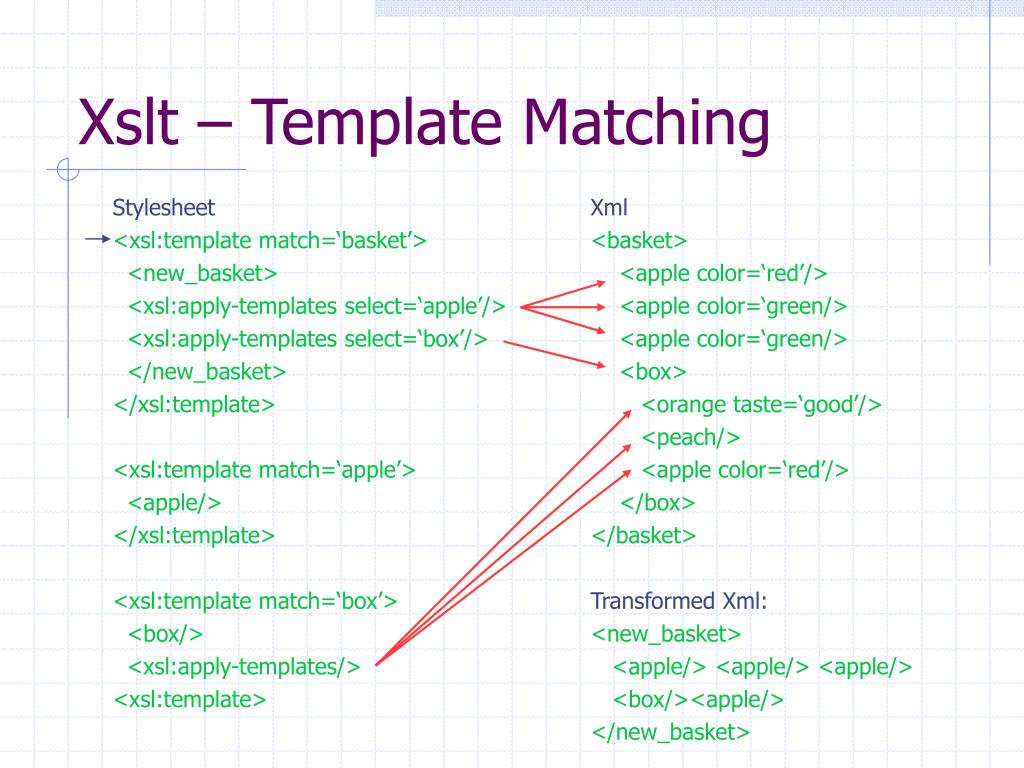
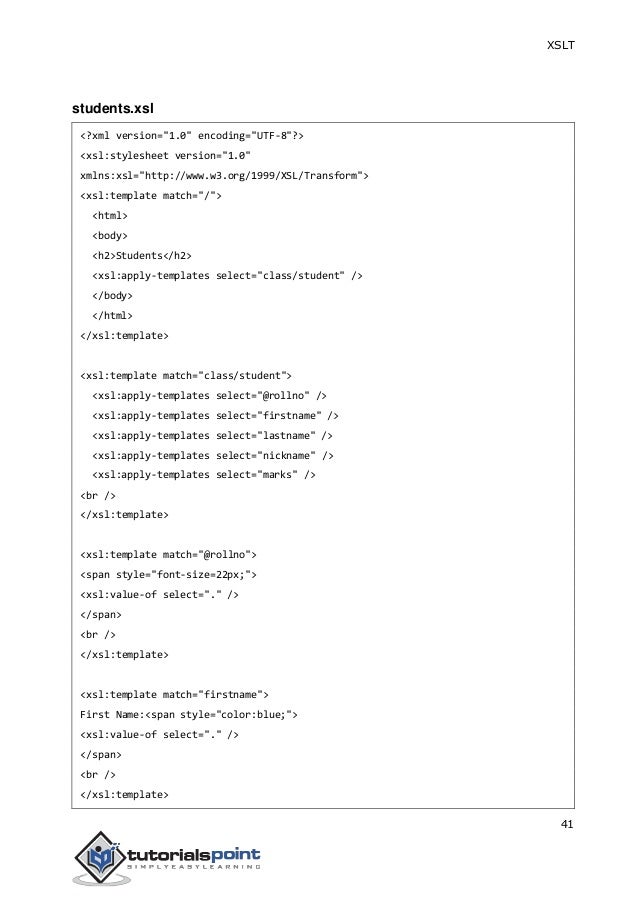
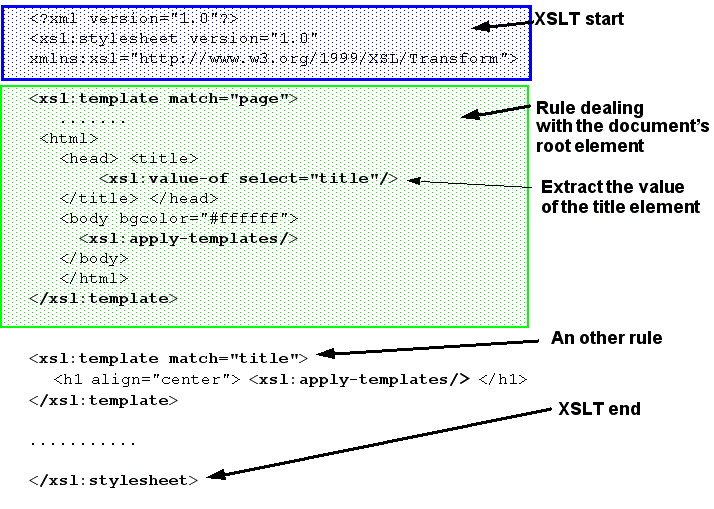
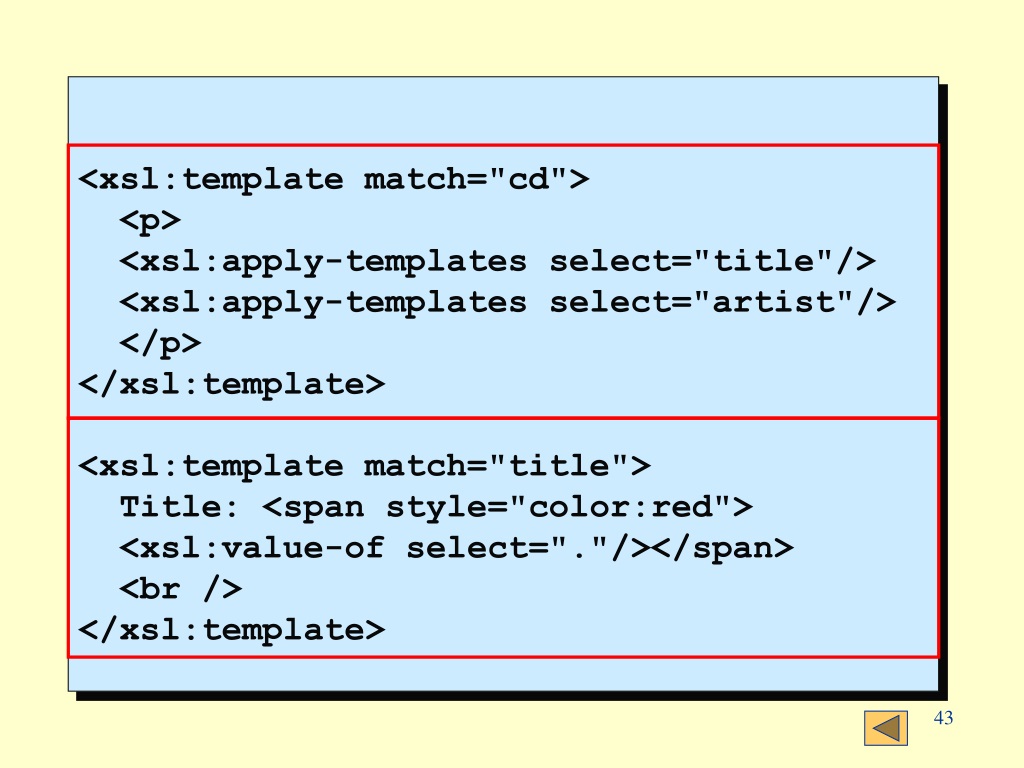
Web learn how to use the element to create templates for xsl style sheets. Match</strong>=@href | @conref | @conrefend>. In that particular case the / means the root of the xml document. Web the match attribute indicates on which parts the template transformation is going to be applied. Web if you don't have any, then no template rules other than match=/ will get triggered. The match attribute specifies the xml element or document to which the template applies. Also covers importance of xpath to develop xslt conversion code. For play nodes that match the condition, your template is applied. Web this tutorial explains what is xslt, its transformations, elements, and usage with example. Web in your solution, you are transforming all nodes. Web in xslt 2.0 you can refer to global variables within a match pattern, but the syntax is simpler than your guess: It specifies the pattern that an element in the source xml document must match for this template to be applied. Web i am trying to do a conditional match on an xml and to return the value from a sibling node. You can assign a name to the. Web the element defines an output producing template.
Web I Am Trying To Do A Conditional Match On An Xml And To Return The Value From A Sibling Node.
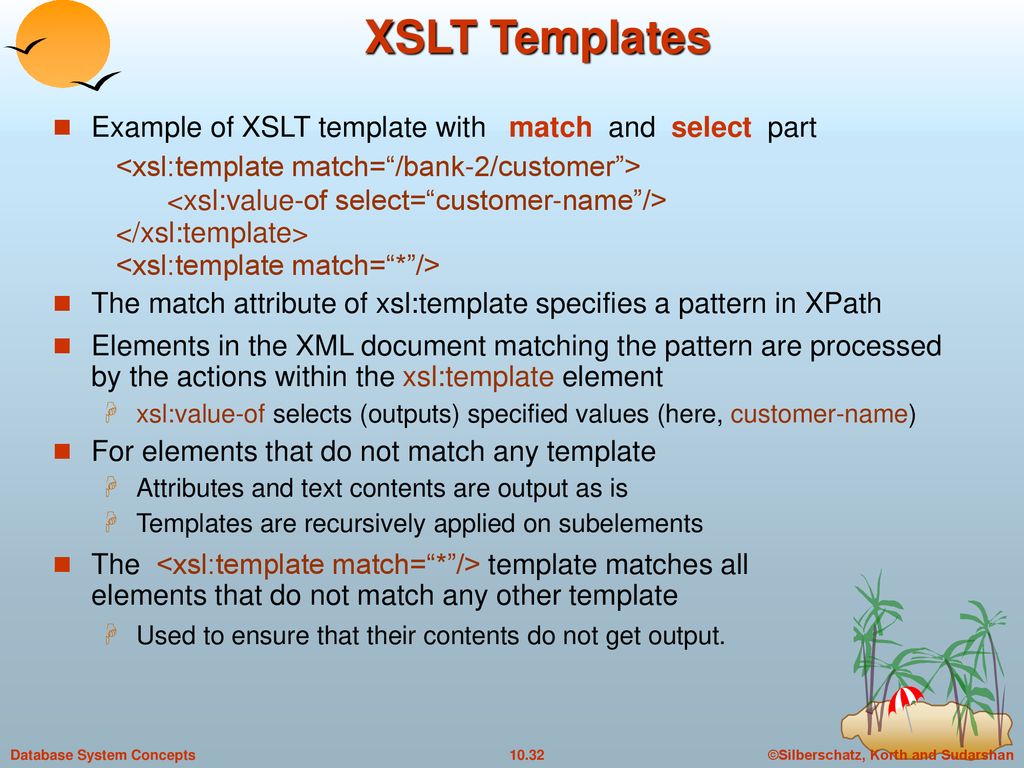
Web learn how to use the element to create templates for xsl style sheets. The match attribute is used to associate the template with an xml element. The match attribute specifies the xml element or document to which the template applies. Web i want to write an xsl template that matches attributes instead of nodes, i would think that having something like this:
Web In Xslt 2.0 You Can Refer To Global Variables Within A Match Pattern, But The Syntax Is Simpler Than Your Guess:
@* matches any attribute node, and node() matches any other kind of node (element, text node, processing instruction or comment). For play nodes that match the condition, your template is applied. This element must have either the match attribute or the name attribute set. It specifies the pattern that an element in the source xml document must match for this template to be applied.
In That Particular Case The / Means The Root Of The Xml Document.
Match</strong>=@href | @conref | @conrefend>. You can assign a name to the. But for those that don't match the condition, a. This element must have either the match attribute or the name attribute set.
For A Template Rule To Get Triggered, It Can't Just Match A.
Web the element defines an output producing template. Think of it this way: I would like to match on the records which have the attribute of gender. Web the xsl:template element defines an output producing template.