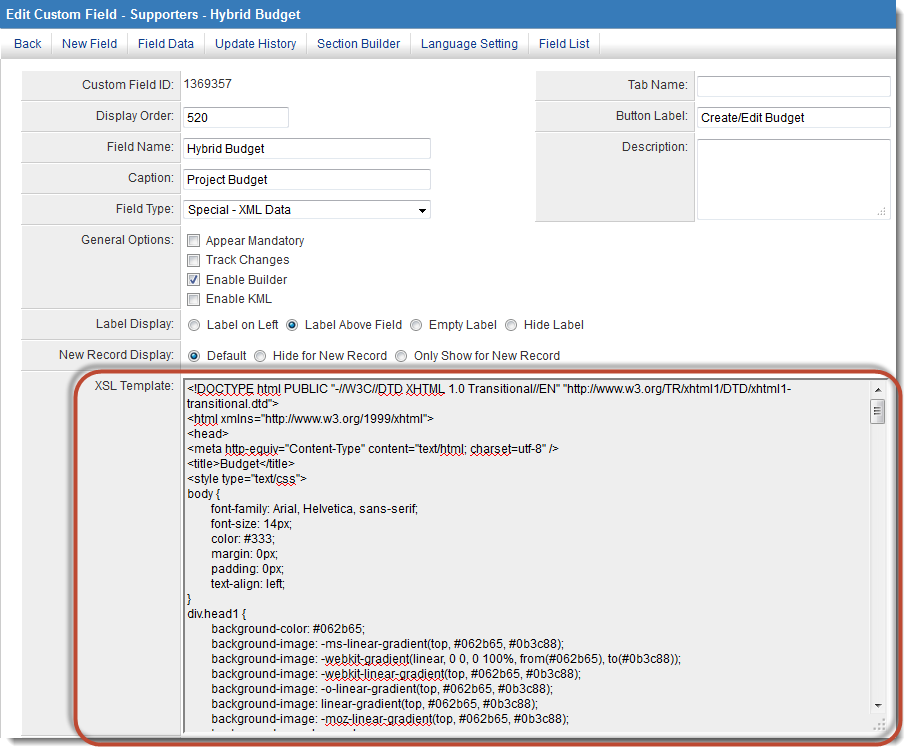
If we add a select attribute to the.</p> Web the element selects a set of nodes in the input tree and instructs the processor to apply the proper templates to them. Web the element contains rules to apply when a specified node is matched. Web when it matches an xml node, the template is invoked by the processor. @* matches any attribute node, and node() matches any other kind of node (element, text node, processing instruction or comment).
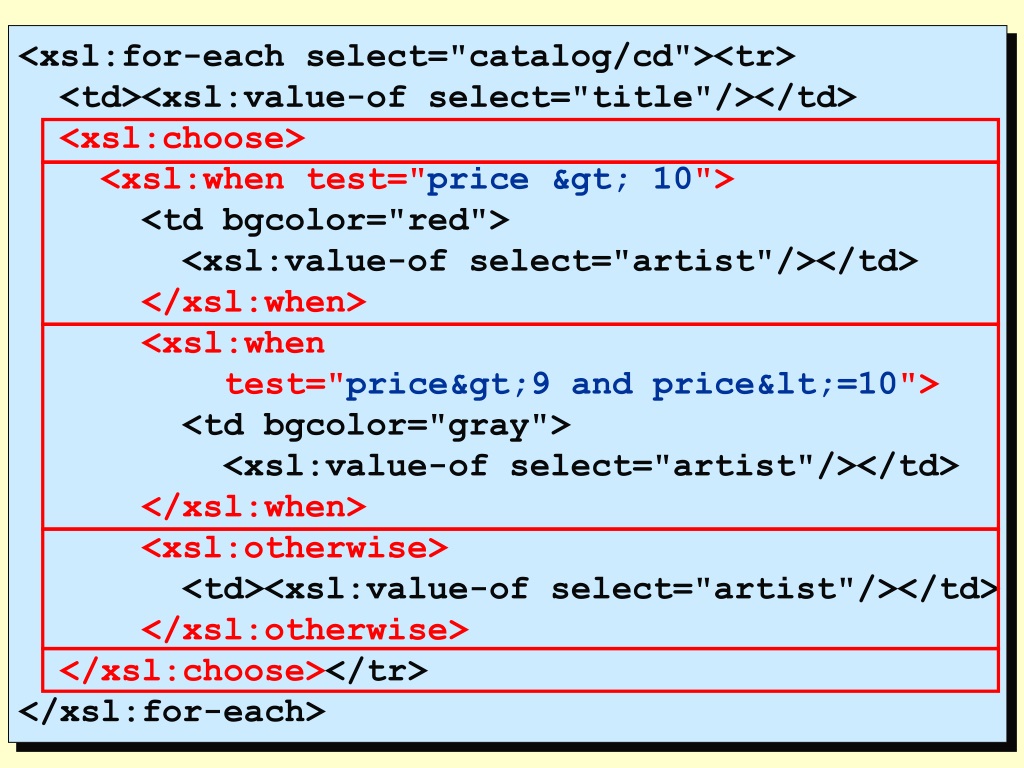
Web i am trying to do a conditional match on an xml and to return the value from a sibling node. The match attribute can also be used to. Web the element contains rules to apply when a specified node is matched. This element must have either the match attribute or the name attribute set. Web when it matches an xml node, the template is invoked by the processor.
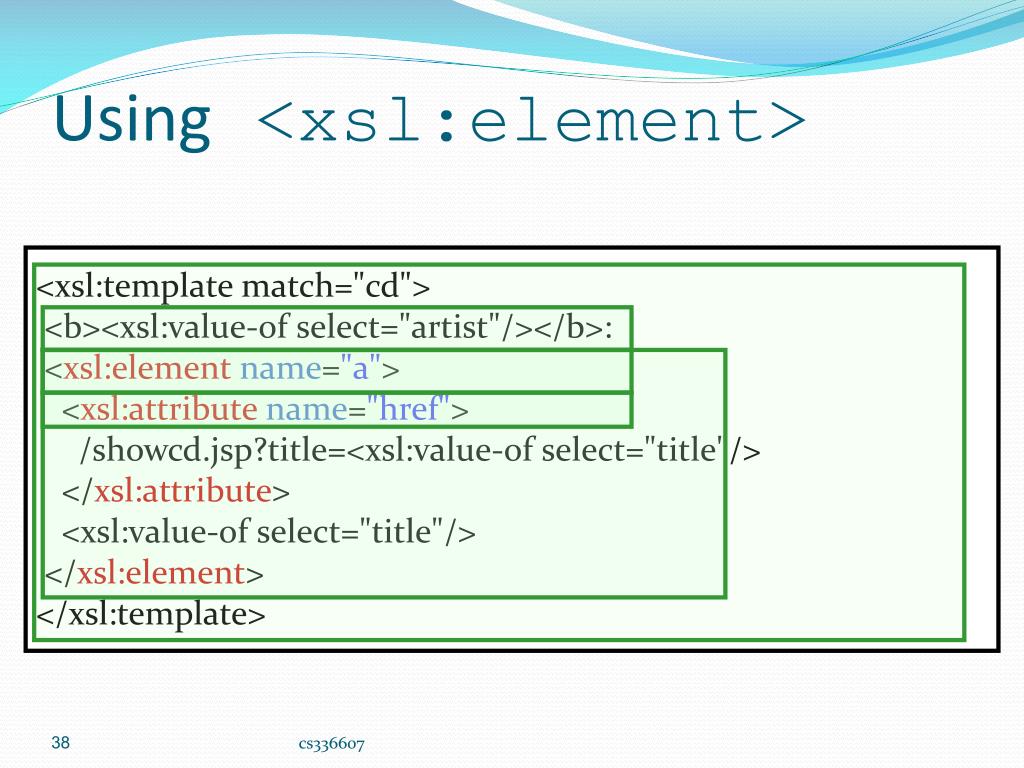
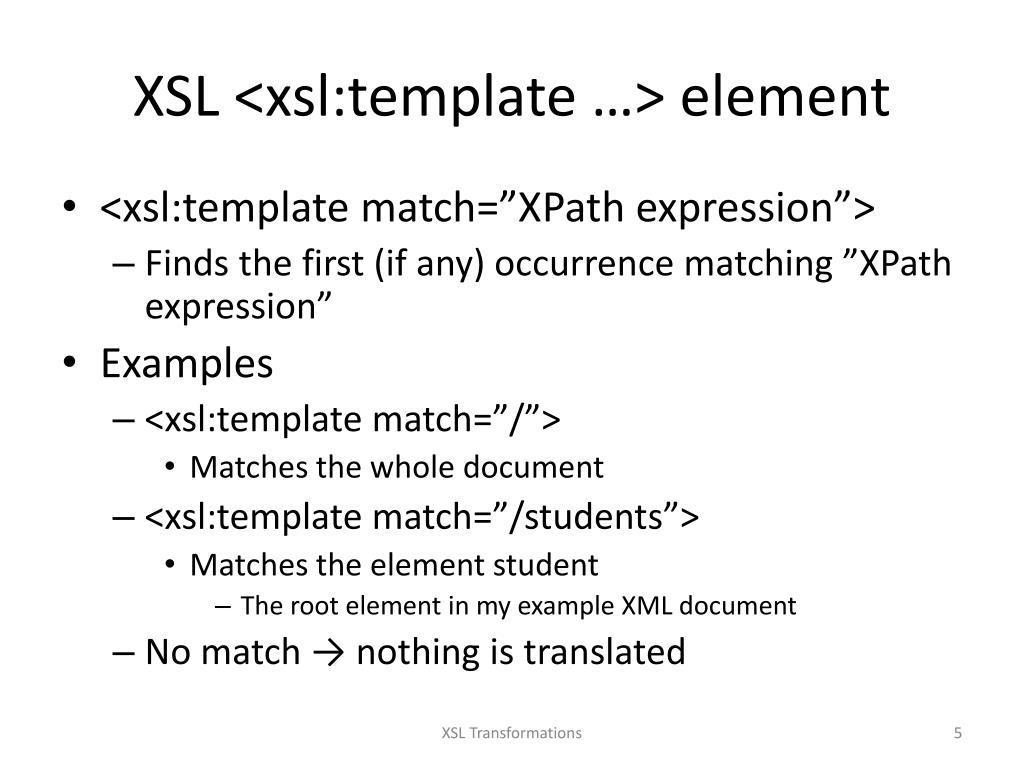
The match attribute is used to associate a template with an xml element. Web the xsl:template element defines an output producing template. That rule will always match, even an empty document, whereas /* will. Web the element applies a template to the current element or to the current element's child nodes. Web how do i match on any node that itself or any child has an attribute with a value in xslt template?
Xsl Template Match
XSL Template SmartWiki
Xsl Template Match
Xsl Template Match
Xsl Template Match
Xsl Template Match
Xsl Template Match
Xsl Template Match
PPT Xml, DTD, XPath, & Xslt PowerPoint Presentation, free download
PPT XSLT for Data Manipulation PowerPoint Presentation, free download
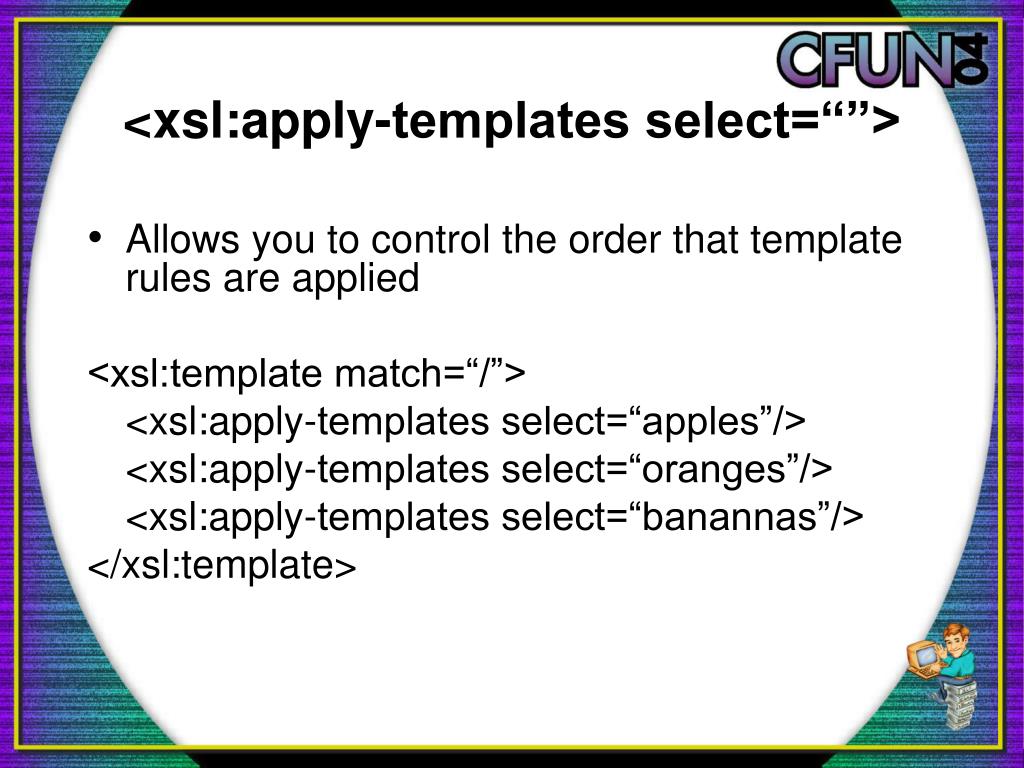
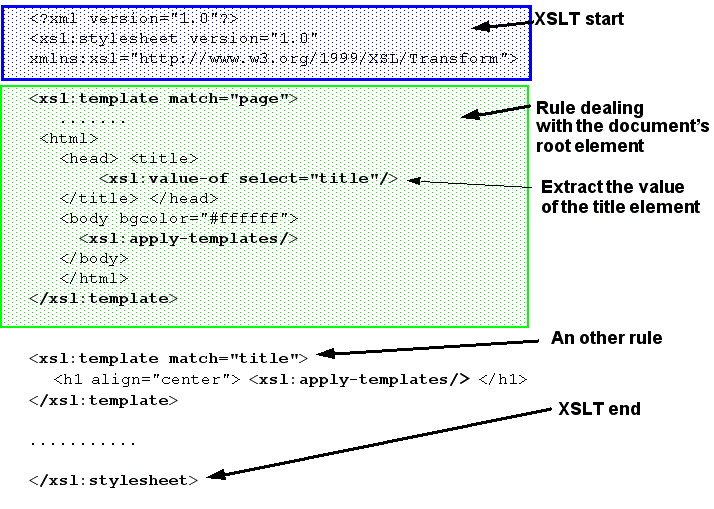
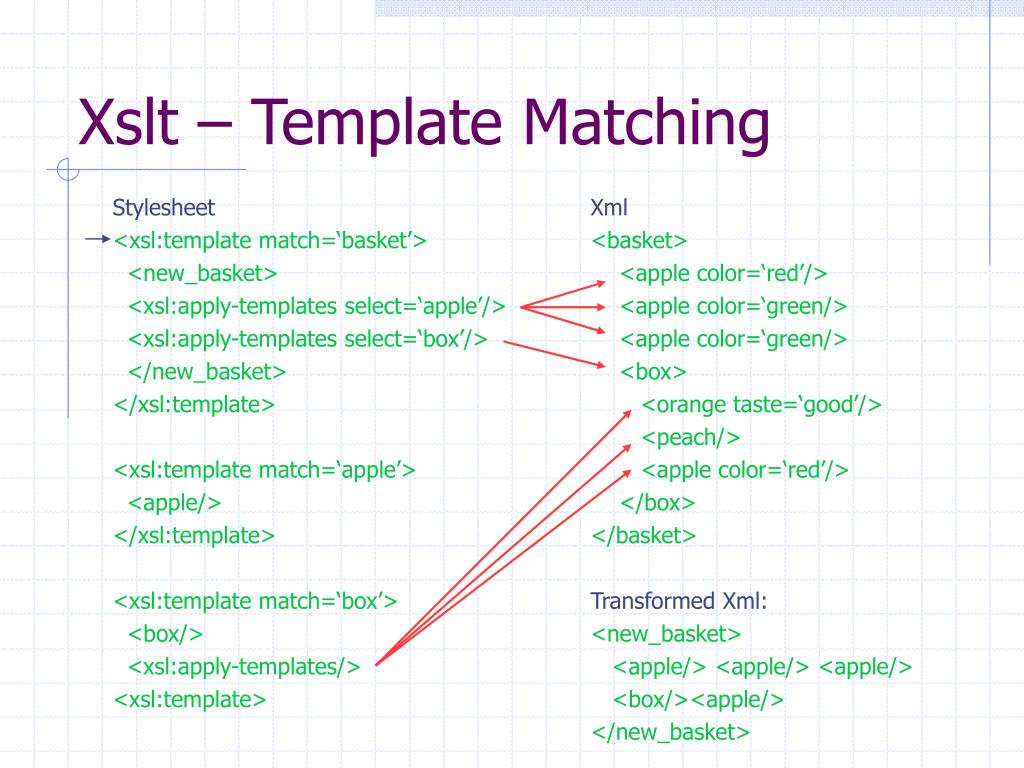
Web the element applies a template to the current element or to the current element's child nodes. This element must have either the match attribute or the name attribute set. The match attribute can also be used to. Web in essence, an xslt stylesheet is a set of rules, called templates, which declare that any node that matches this specific pattern should be manipulated in this. Web the element defines an output producing template. Web the solution is simple: @* matches any attribute node, and node() matches any other kind of node (element, text node, processing instruction or comment). Match</strong>> matches the root node of the source document. Web (ii) match template: This will match and discard all.</p> Web the xsl:template element defines an output producing template. Web the element is used to build templates. If we add a select attribute to the.</p> I would like to match on the records which have the attribute of gender. The match attribute is used to associate a template with an xml element.
Web The Element Contains Rules To Apply When A Specified Node Is Matched.
The match attribute can also be used to. Web match</strong>=/> matches only the document root itself, and sets it as the context. Web i am trying to do a conditional match on an xml and to return the value from a sibling node. Web xslt element is a basic building block in xslt and it provides a way to define rules for transforming specific elements into a source xml document.
This Will Match And Discard All.</P>
This element must have either the match attribute or the name attribute set. Web the element applies a template to the current element or to the current element's child nodes. The xsl:template element contains the @match attribute that contains a matching pattern or xpath applied at the input nodes. That rule will always match, even an empty document, whereas /* will.
Web Defines A Way To Reuse Templates In Order To Generate The Desired Output For Nodes Of A Particular Type/Context.
Following is the syntax declaration of. The match attribute is used to associate a template with an xml element. Web match</strong>=/> this then allows you to define a template for each element you are interested in and process the. Web in essence, an xslt stylesheet is a set of rules, called templates, which declare that any node that matches this specific pattern should be manipulated in this.
Web The Element Selects A Set Of Nodes In The Input Tree And Instructs The Processor To Apply The Proper Templates To Them.
Web the element defines an output producing template. Web how do i match on any node that itself or any child has an attribute with a value in xslt template? This element must have either the match attribute or the name attribute set. If we add a select attribute to the.</p>