
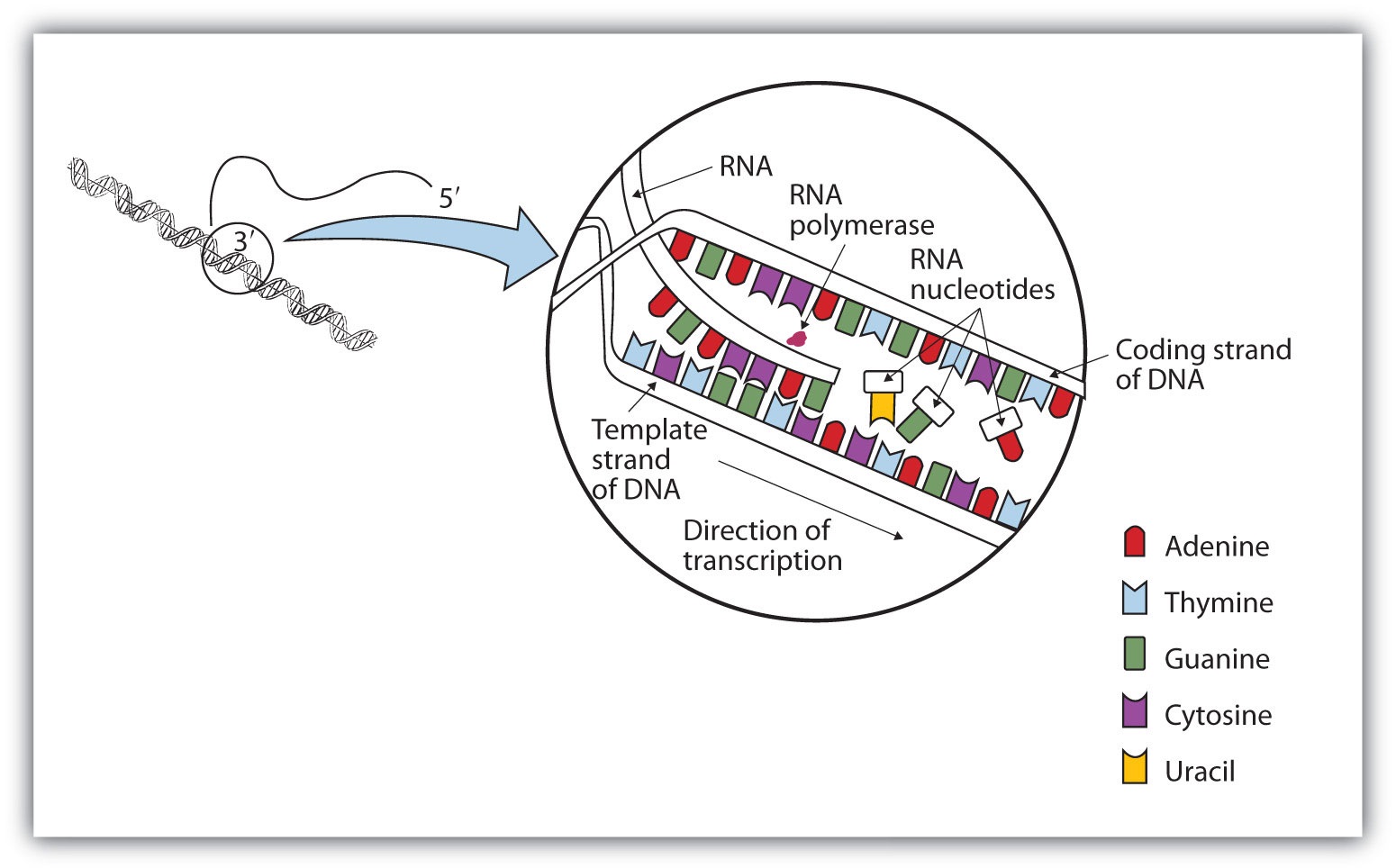
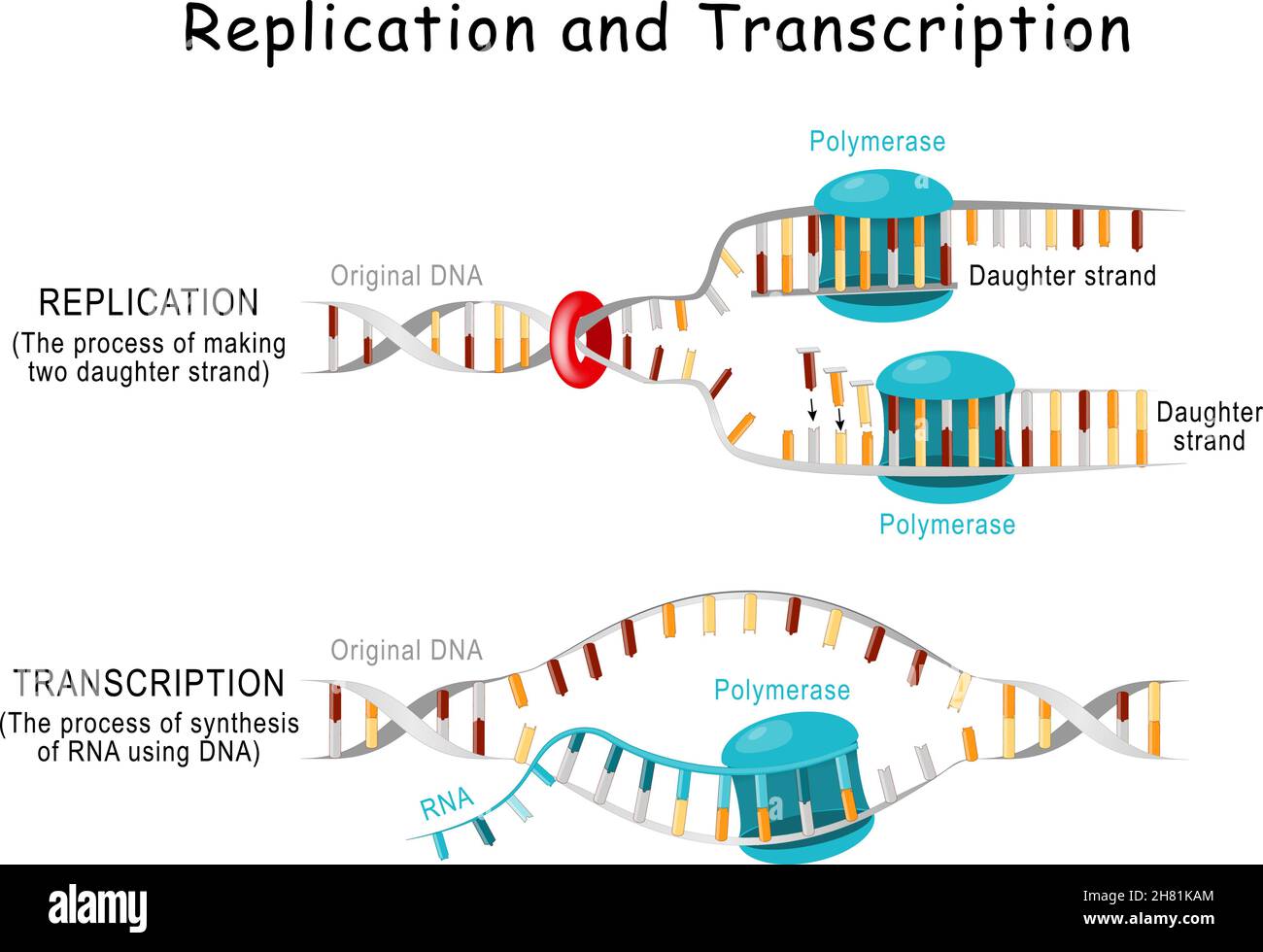
The nontemplate strand is referred to as. Web rna polymerase uses one of the dna strands (the template strand) as a template to make a new, complementary rna molecule. Web transcription is the process by which the information in a strand of dna is copied into a new molecule of messenger rna (mrna). Web dna serves as the template for the synthesis of rna much as it does for its own replication. Web transcription is the process of creating an rna copy of a segment of dna.
Web tcr is initiated when damage in the template strand is encountered by elongating rnapii, which subsequently recruits csb, csa, and additional factors. Web one strand of the dna, the template strand (or noncoding strand), is used as a template for rna synthesis. In eukaryotes, mrna may be modified before it. 3.0 (4 reviews) during transcription in eukaryotes, a type of rna polymerase called rna polymerase ii moves along the template strand of the dna in the 3'→5' direction. Dna polymerase is the primary enzyme needed for replication.
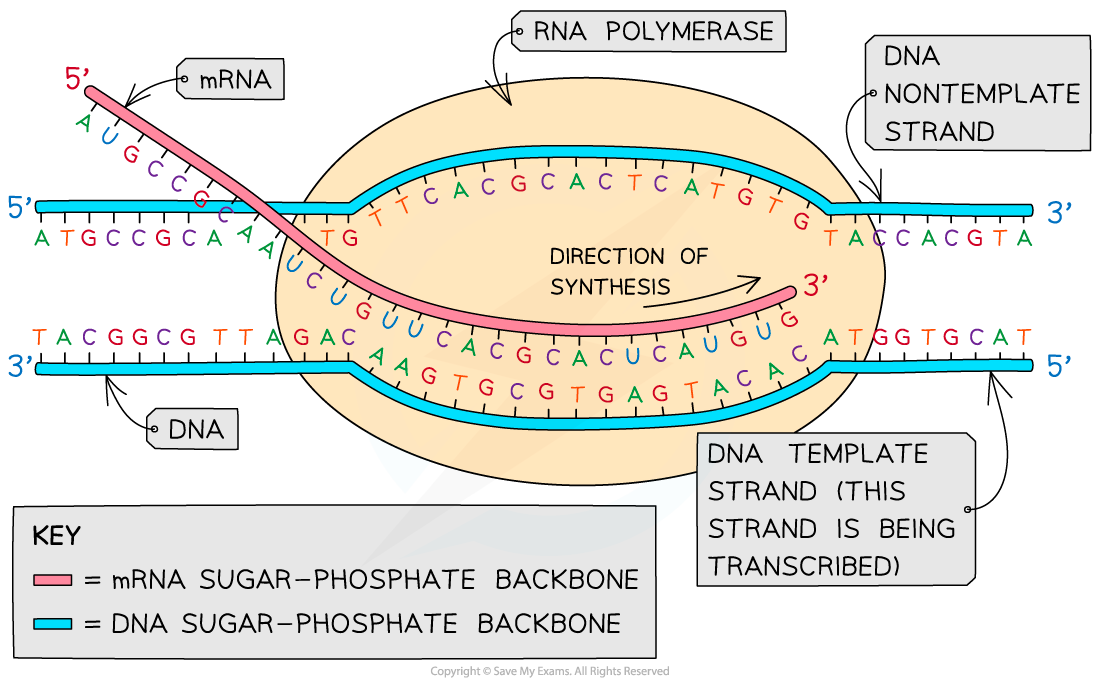
Web transcription is the dna → rna part of the central dogma of molecular biology. The first step a cell takes in reading out a needed part of its genetic instructions is to copy a particular portion of its dna nucleotide sequence—a gene —into an rna nucleotide sequence. Specifically, rna polymerase builds an rna strand in the 5' to 3' direction, adding each new nucleotide to the 3' end of the strand. Web tcr is initiated when damage in the template strand is encountered by elongating rnapii, which subsequently recruits csb, csa, and additional factors. Web an mrna transcript is a single strand of rna that encapsulate the information contained in a gene.
DNA Transcription Heredity 네이버 블로그
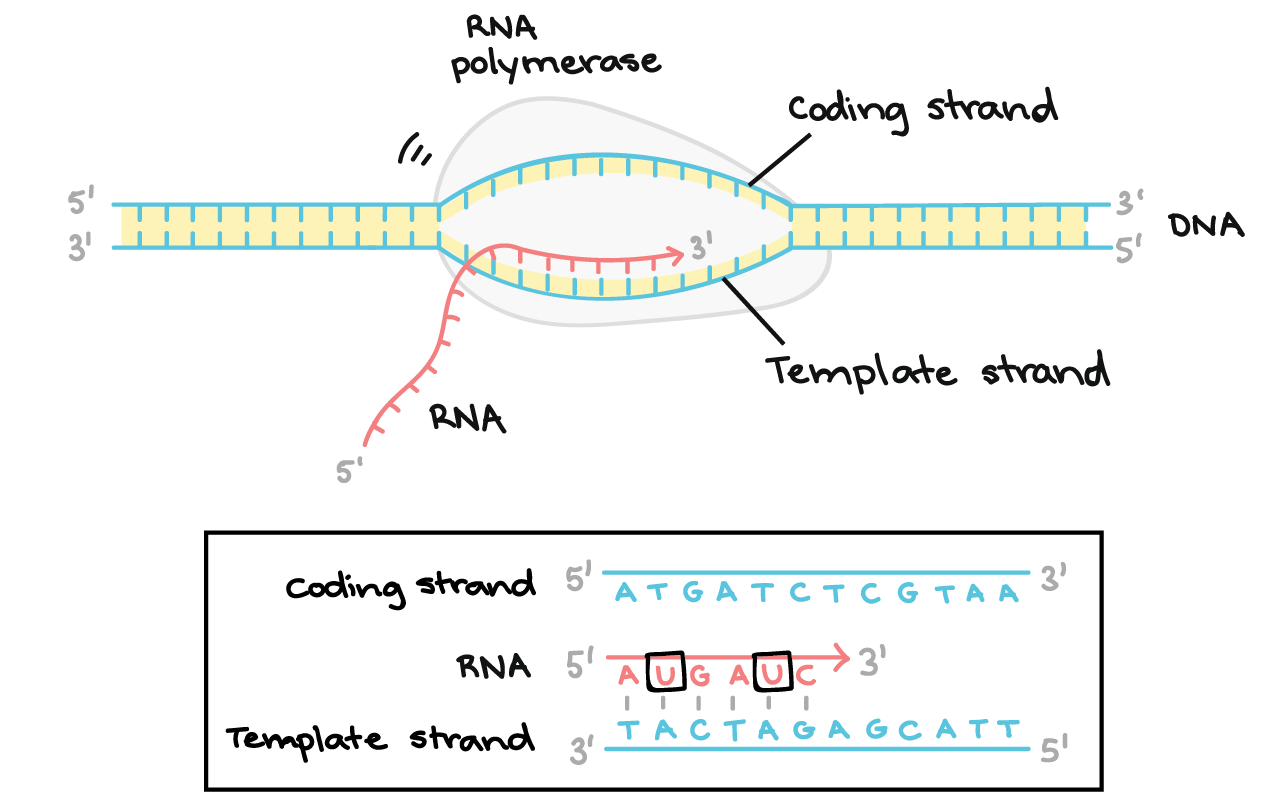
Chapter The Code — The Biology Primer
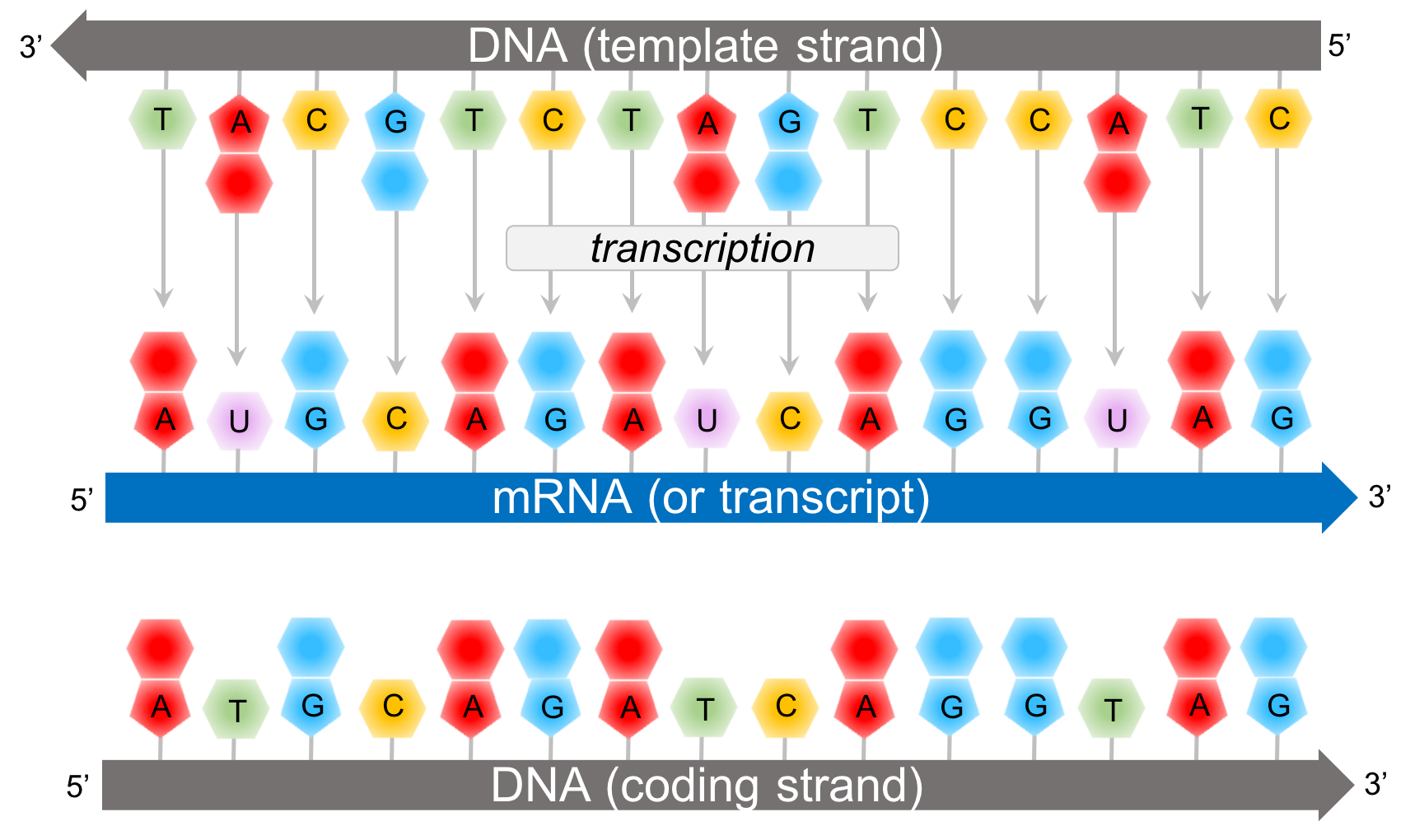
What Is The Template For Transcription
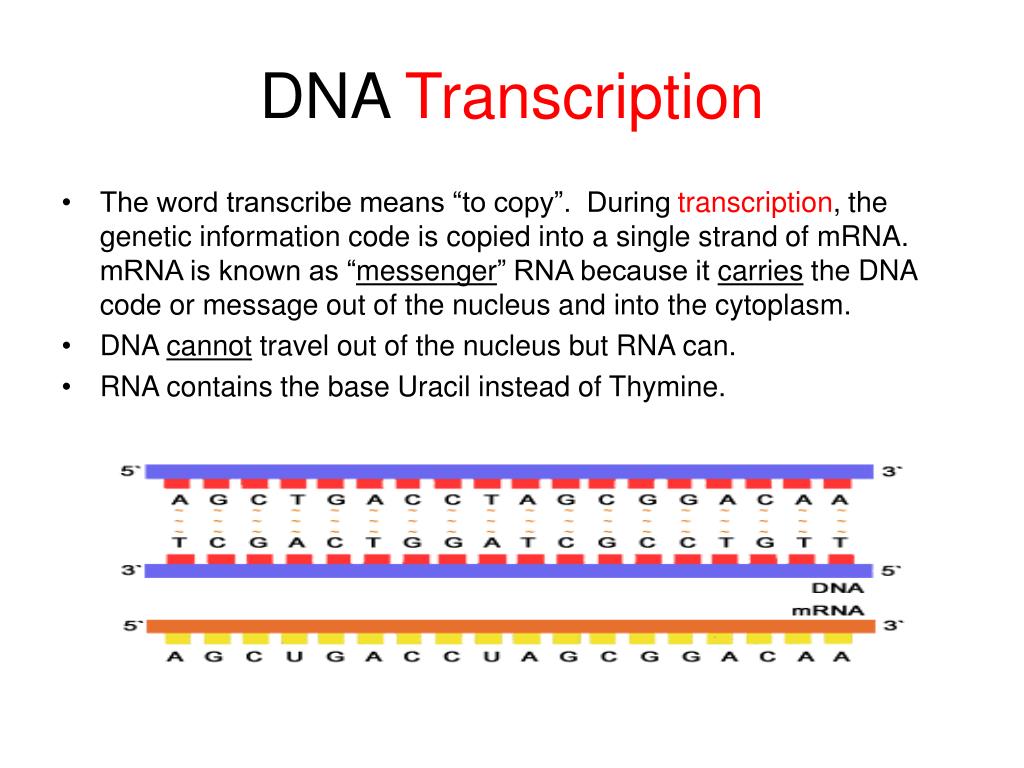
Protein Synthesis Anatomy and Physiology I

Stages of Transcription Concise Medical Knowledge
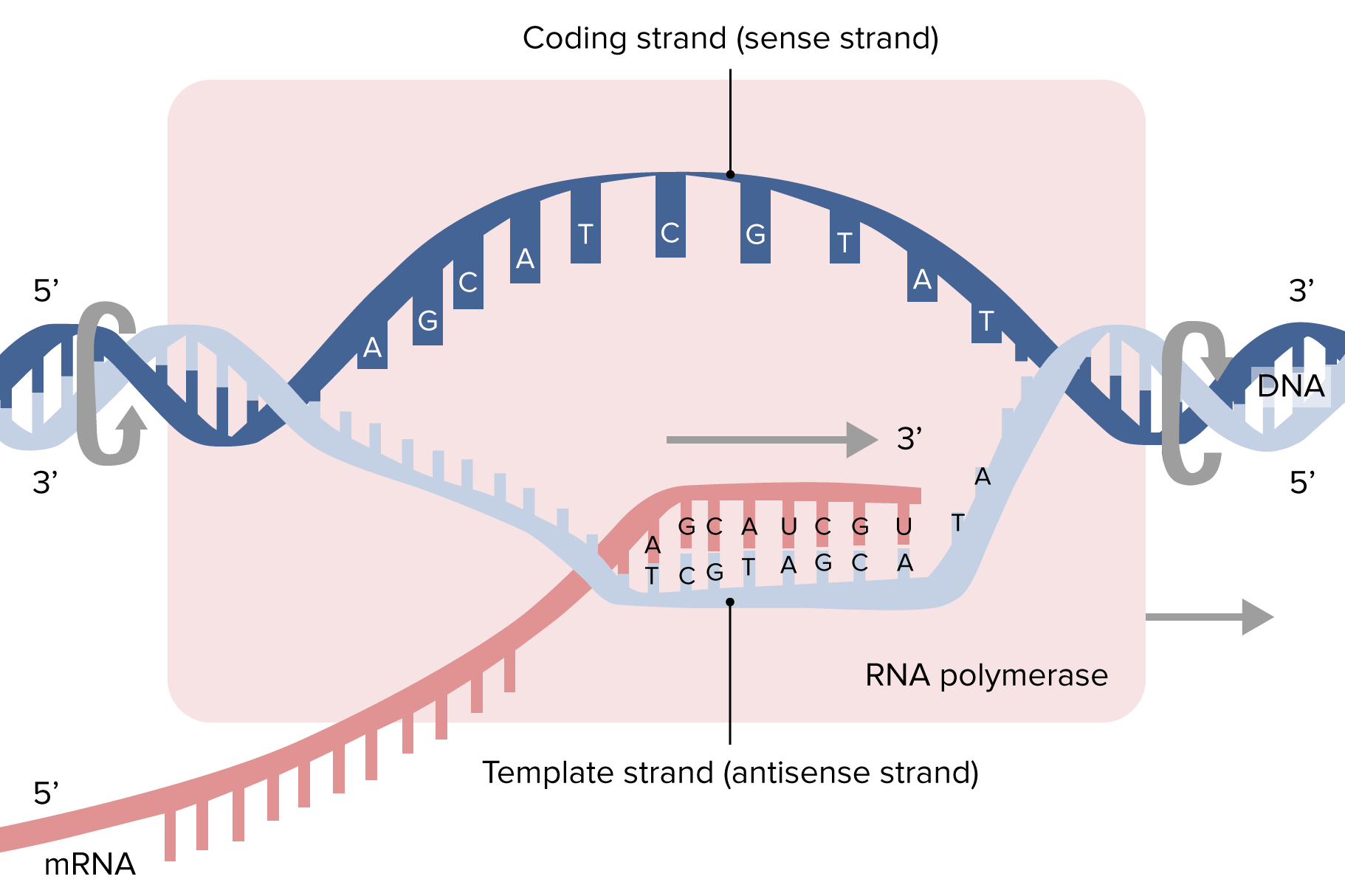
28.4 Transcription of DNA Chemistry LibreTexts
AQA A Level Biology复习笔记4.2.3 Transcription翰林国际教育
Dna Serves As A Template For The Synthesis Of, Each Strand In The

DNA Replication and Transcription. Steps. double helix is unwound. Each
Which Strand Of Dna Serves As The Template For Transcription

Think of an mrna transcript as a portable gene: During transcription, a copy of mrna is made that is complementary to a strand of dna. The mrna product is complementary to the template strand and is almost identical to the other dna strand, called the nontemplate strand, with the exception that rna contains a uracil (u) in place of the thymine (t) found in dna. In eukaryotes, mrna may be modified before it. Dna safely and stably stores genetic material in the nuclei. Web dna serves as the template for the synthesis of rna much as it does for its own replication. Web during transcription, a portion of the cell's dna serves as a template for creation of an rna molecule. Web tcr is initiated when damage in the template strand is encountered by elongating rnapii, which subsequently recruits csb, csa, and additional factors. The coding strand provides a reference for the formation of mrna with a similar sequence, while the template strand guides the rna polymerase to synthesize a complementary rna strand. Web an mrna transcript is a single strand of rna that encapsulate the information contained in a gene. The mrna product is complementary to the template strand and is almost identical to the other dna strand, called the. Web wherever a gene exists on a dna molecule, one strand is the coding strand (or sense strand), and the other is the noncoding strand (also called the antisense strand, anticoding strand, template strand or transcribed strand). Web transcription always proceeds from one of the two dna strands, which is called the template strand. Mastering biology chp 17 transcription and translation. In transcription, a segment of dna serves as.
Think Of An Mrna Transcript As A Portable Gene:
3.0 (4 reviews) during transcription in eukaryotes, a type of rna polymerase called rna polymerase ii moves along the template strand of the dna in the 3'→5' direction. What does the system of molecules look like before the start of the transcription? Web dna serves as the template for the synthesis of rna much as it does for its own replication. The mrna product is complementary to the template strand and is almost identical to the other dna strand, called the nontemplate strand, with the exception that rna contains a uracil (u) in place of the thymine (t) found in dna.
Web The Antisense Strand, Of Dna Serves As The Template For Transcription, Producing An Mrna Strand Complementary To It.
The nontemplate strand is referred to as. As transcription proceeds, rna polymerase traverses the template strand and uses base pairing complementarity with the dna template to create an rna copy (which elongates during the traversal). Web in transcription, an rna polymerase uses only one strand of dna, called the template strand, of a gene to catalyze synthesis of a complementary, antiparallel rna strand. The sense strand, which mirrors the mrna sequence, is not used directly in transcriptions.
Dna Safely And Stably Stores Genetic Material In The Nuclei.
Termination depends on sequences in the rna, which signal that the transcript is finished. This template strand is called the noncoding strand. Web wherever a gene exists on a dna molecule, one strand is the coding strand (or sense strand), and the other is the noncoding strand (also called the antisense strand, anticoding strand, template strand or transcribed strand). Web portions of dna sequence are transcribed into rna.
Web During Transcription, A Portion Of The Cell's Dna Serves As A Template For Creation Of An Rna Molecule.
In eukaryotes, mrna may be modified before it. Web transcription always proceeds from one of the two dna strands, which is called the template strand. Transcription ends in a process called termination. The coding strand provides a reference for the formation of mrna with a similar sequence, while the template strand guides the rna polymerase to synthesize a complementary rna strand.