
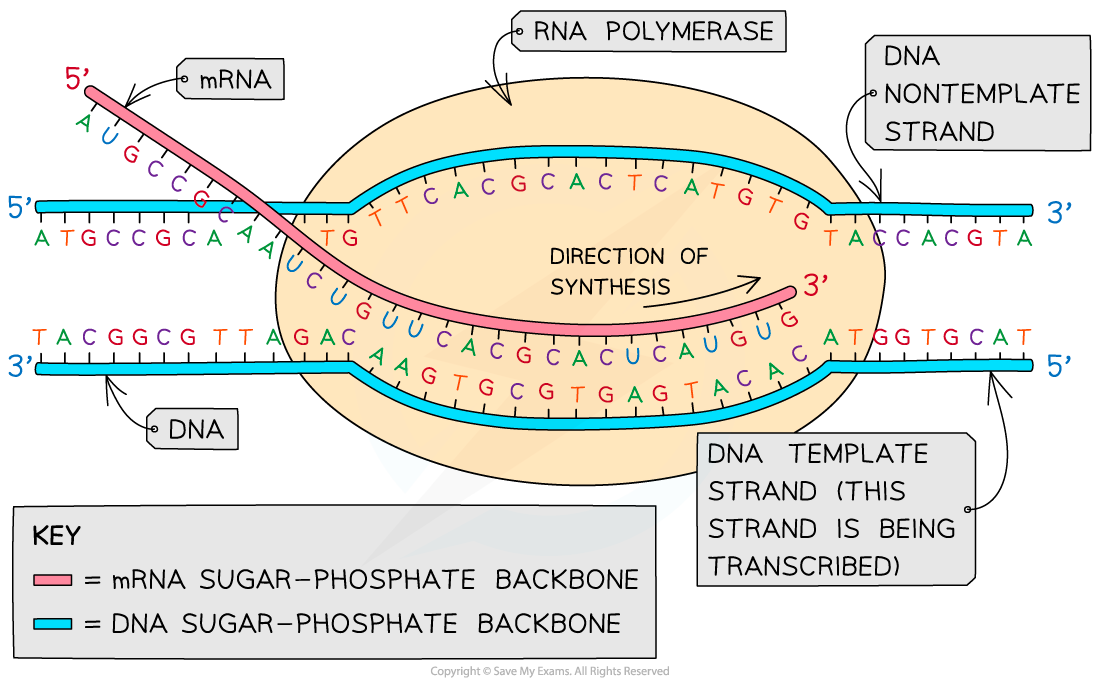
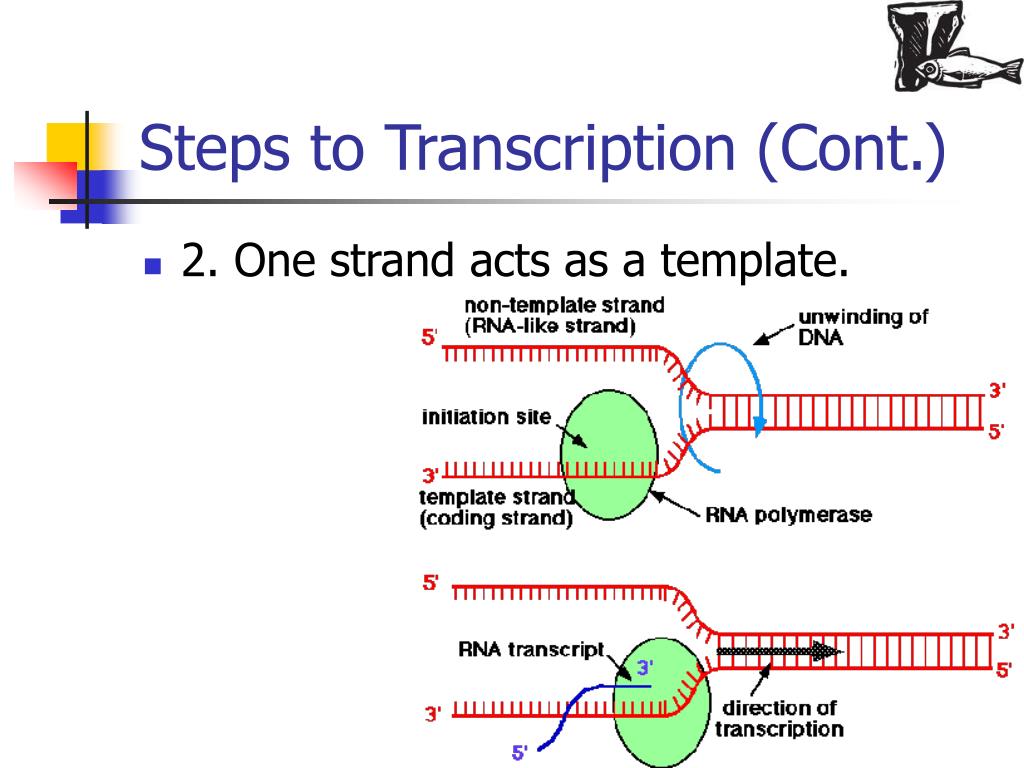
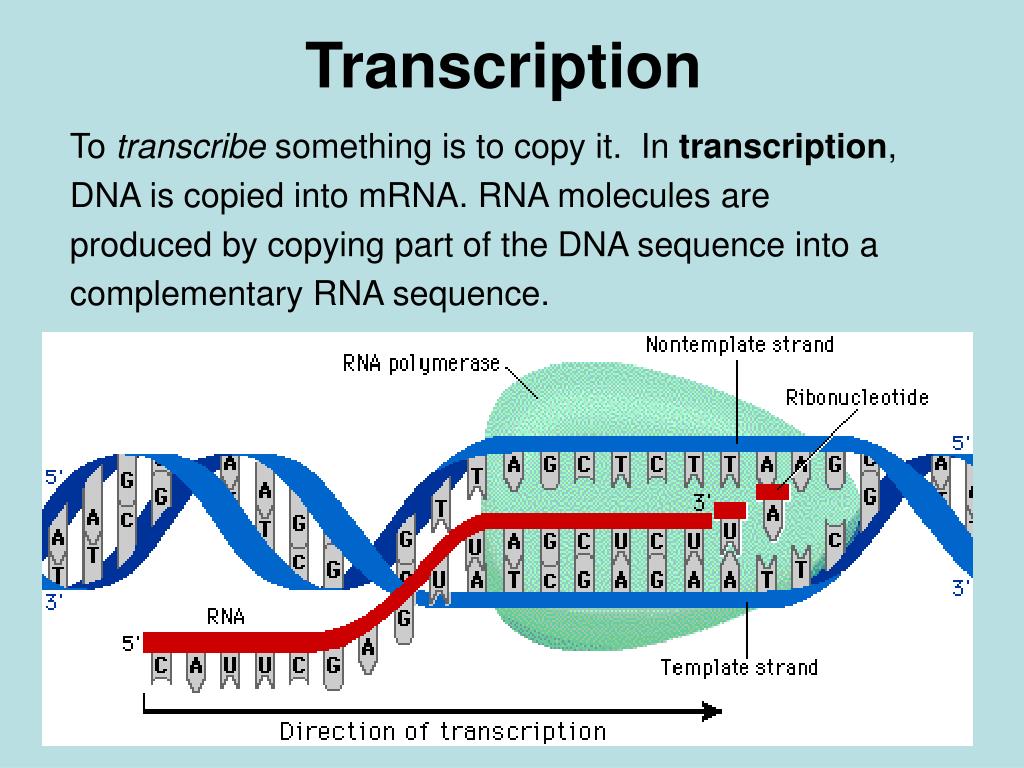
The promoter is the binding site for rna polymerase. This strand is called the template strand. The rna product is complementary to the template strand and is almost identical to the other dna strand, called the nontemplate (or coding) strand. Web one strand of the dna, the template strand (or noncoding strand), is used as a template for rna synthesis. Here we can identify several of the dna sequences that characterize a gene.
Web the basic steps of transcription are initiation, elongation, and termination. Here we can identify several of the dna sequences that characterize a gene. The mrna product is complementary to the template strand and is almost identical to the other dna strand, called the. The promoter is the binding site for rna polymerase. It usually lies 5’ to, or upstream of the transcription start site.
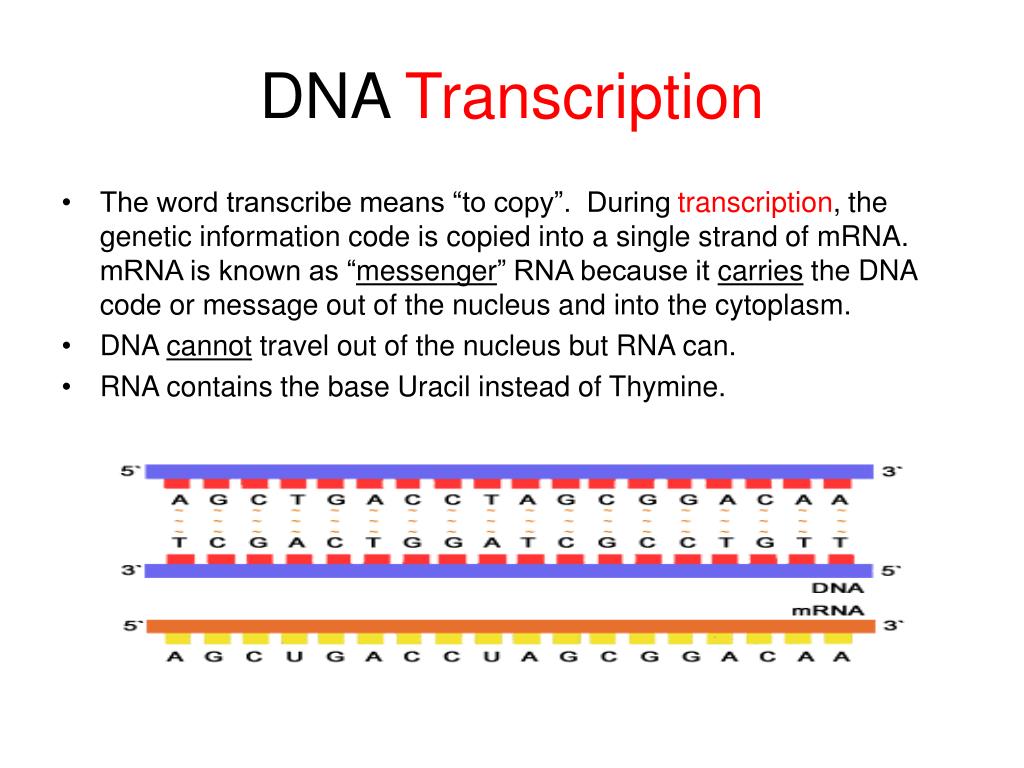
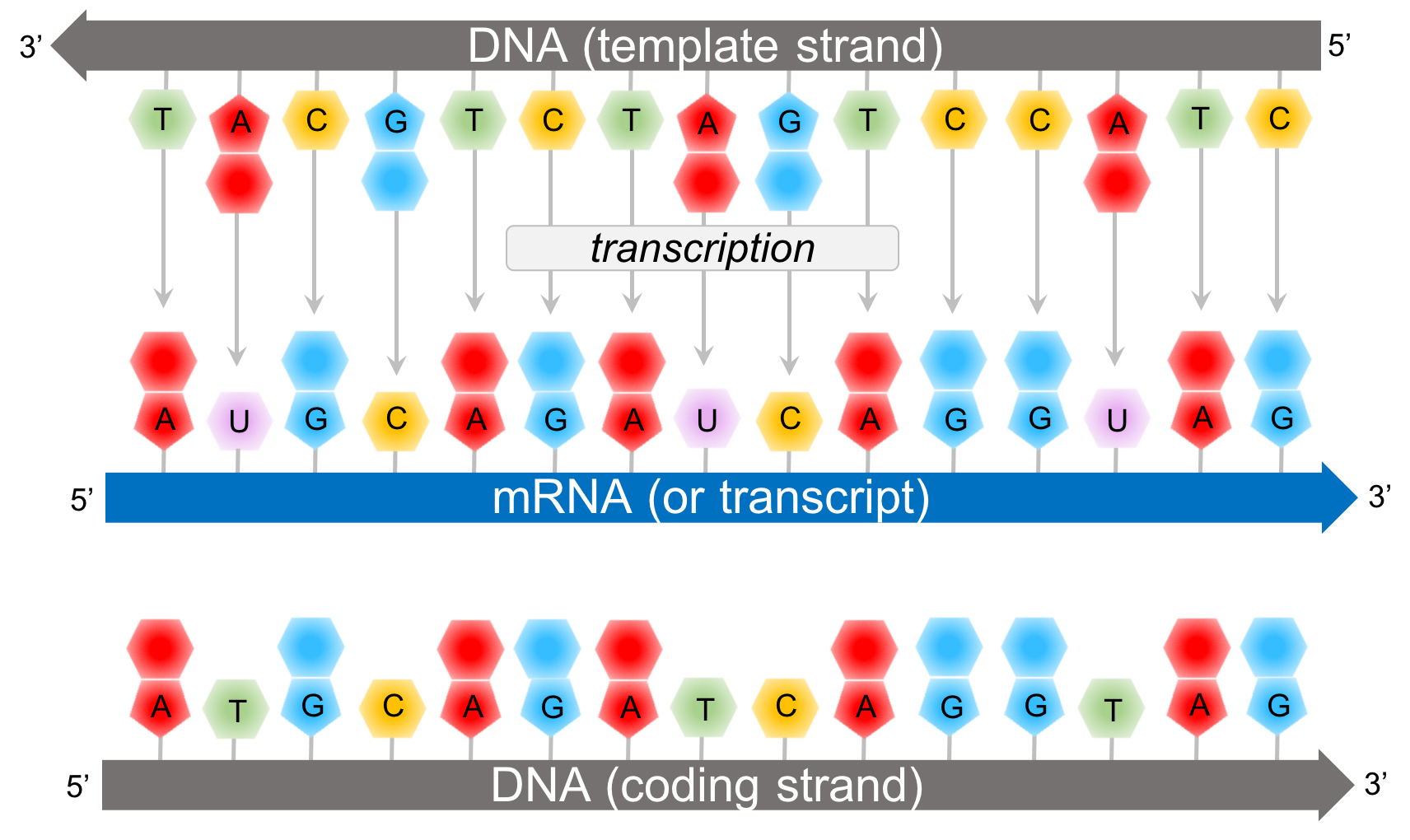
Web one strand of the dna, the template strand (or noncoding strand), is used as a template for rna synthesis. Web the basic steps of transcription are initiation, elongation, and termination. The mrna product is complementary to the template strand and is almost identical to the other dna strand, called the nontemplate strand, with the exception that rna contains a uracil (u) in place of the thymine (t) found in dna. The rna product is complementary to the template strand and is almost identical to the other dna strand, called the nontemplate (or coding) strand. This strand is called the template strand.
CIE A Level Biology复习笔记6.2.4 Transcription翰林国际教育
PPT DNA Transcription and Translation PowerPoint Presentation, free
Example transcript templates Transcription Centre
Example transcript templates Transcription Centre
Transcript Template

PPT Transcription and Translation PowerPoint Presentation, free
What Is The Template For Transcription
Chapter The Code — The Biology Primer
The Template For Rna Synthesis

What Is The Template For Transcription
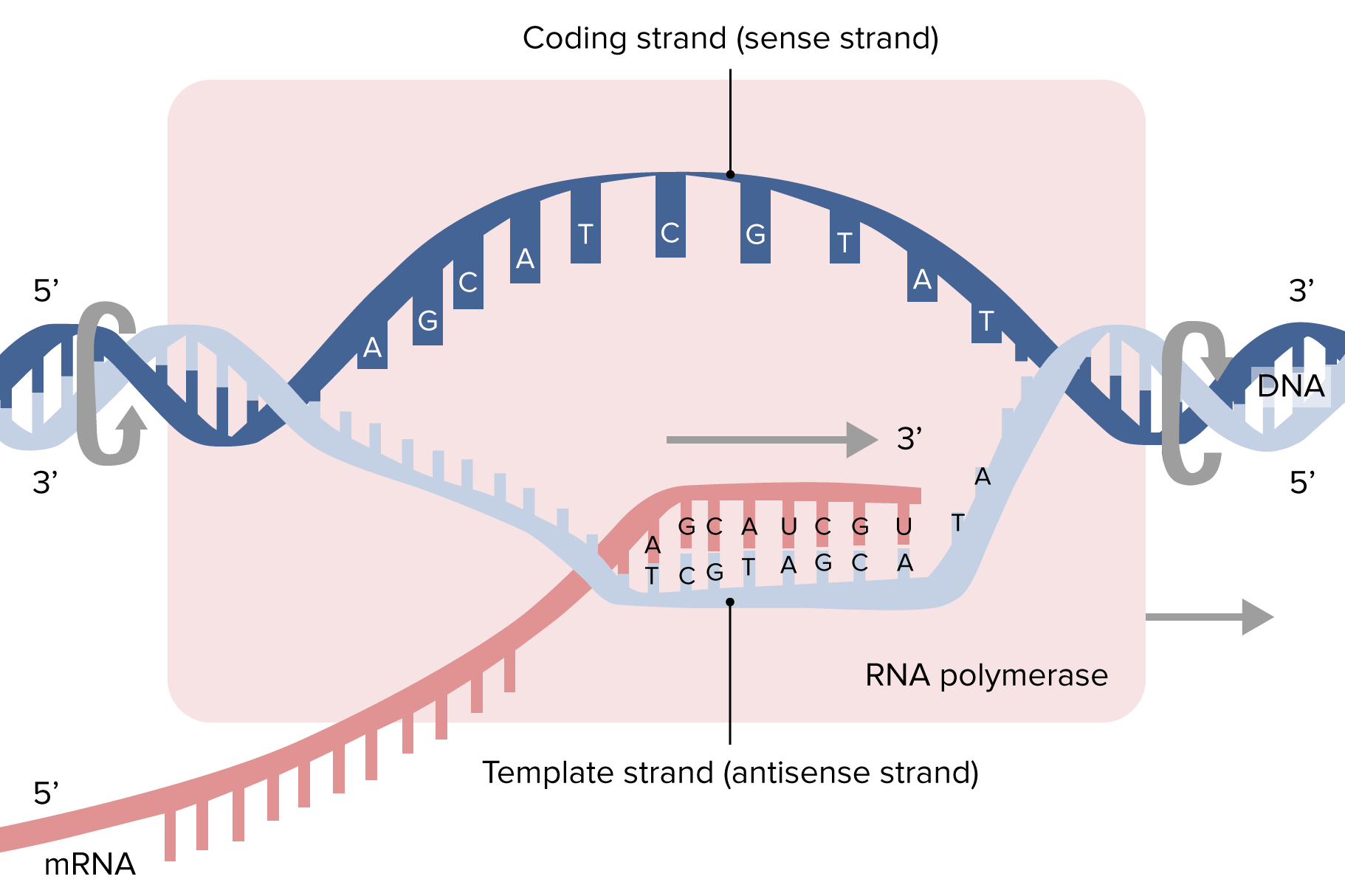
This strand is called the template strand. Web one strand of the dna, the template strand (or noncoding strand), is used as a template for rna synthesis. Web transcription always proceeds from one of the two dna strands, which is called the template strand. Web transcription always proceeds from one of the two dna strands, which is called the template strand. The mrna product is complementary to the template strand and is almost identical to the other dna strand, called the. Web transcription is performed by enzymes called rna polymerases, which link nucleotides to form an rna strand (using a dna strand as a template). Web transcription uses one of the two exposed dna strands as a template; The mrna product is complementary to the template strand and is almost identical to the other dna strand, called the nontemplate strand, with the exception that rna contains a uracil (u) in place of the thymine (t) found in dna. Here we can identify several of the dna sequences that characterize a gene. It usually lies 5’ to, or upstream of the transcription start site. This template strand is called the noncoding strand. The nontemplate strand is referred. The rna product is complementary to the template strand and is almost identical to the other dna strand, called the nontemplate (or coding) strand. Web the basic steps of transcription are initiation, elongation, and termination. The promoter is the binding site for rna polymerase.
Web Transcription Always Proceeds From One Of The Two Dna Strands, Which Is Called The Template Strand.
Web the basic steps of transcription are initiation, elongation, and termination. Web transcription always proceeds from one of the two dna strands, which is called the template strand. It usually lies 5’ to, or upstream of the transcription start site. The mrna product is complementary to the template strand and is almost identical to the other dna strand, called the nontemplate strand, with the exception that rna contains a uracil (u) in place of the thymine (t) found in dna.
The Mrna Product Is Complementary To The Template Strand And Is Almost Identical To The Other Dna Strand, Called The.
This template strand is called the noncoding strand. As transcription proceeds, rna polymerase traverses the template strand and uses base pairing complementarity with the dna template to create an rna copy (which elongates during the traversal). Web transcription uses one of the two exposed dna strands as a template; The promoter is the binding site for rna polymerase.
This Strand Is Called The Template Strand.
Web transcription is performed by enzymes called rna polymerases, which link nucleotides to form an rna strand (using a dna strand as a template). Web one strand of the dna, the template strand (or noncoding strand), is used as a template for rna synthesis. The nontemplate strand is referred. Here we can identify several of the dna sequences that characterize a gene.