
Discover when and how to use it, alternatives, sample letters and templates. I will also discuss situations when to use them and when not to. The to whom it may concern letter is one of the best ways to create an email or letter to someone you do not know while keeping a professional tone and theme. It’s widely used when the recipient’s name or title is unknown, such as when you are providing a recommendation for a former colleague and do not know the name of the hiring manager. If you do not know the name of the person that handles the particular issue you are writing about, you use this salutation.
For instance, if you receive a letter requesting a quotation or some information about your business from a company, then. Web a “to whom it may concern” letter is okay to use when you introduce yourself to a person you have not yet met. Web “to whom it may concern” is a salutation that is used when you do not know who you are to address your formal letter. Web how to write a to whom it may concern letter. It is acceptable in formal or professional correspondence.
For instance, if you receive a letter requesting a quotation or some information about your business from a company, then. Web “to whom it may concern” is a conventional formal generic salutation used in letters or correspondence where the name and title of the addressee or recipient are unknown. Web learn the correct usage of to whom it may concern with our comprehensive guide. Web if you're writing a complaint letter to a company and you don't know who will be reading it, to whom it may concern is appropriate. Web to whom it may concern is a salutation for a letter or email, most commonly employed when the writer does not know the recipient’s name.
To Whom It May Concern Letter Template Here are some example of when
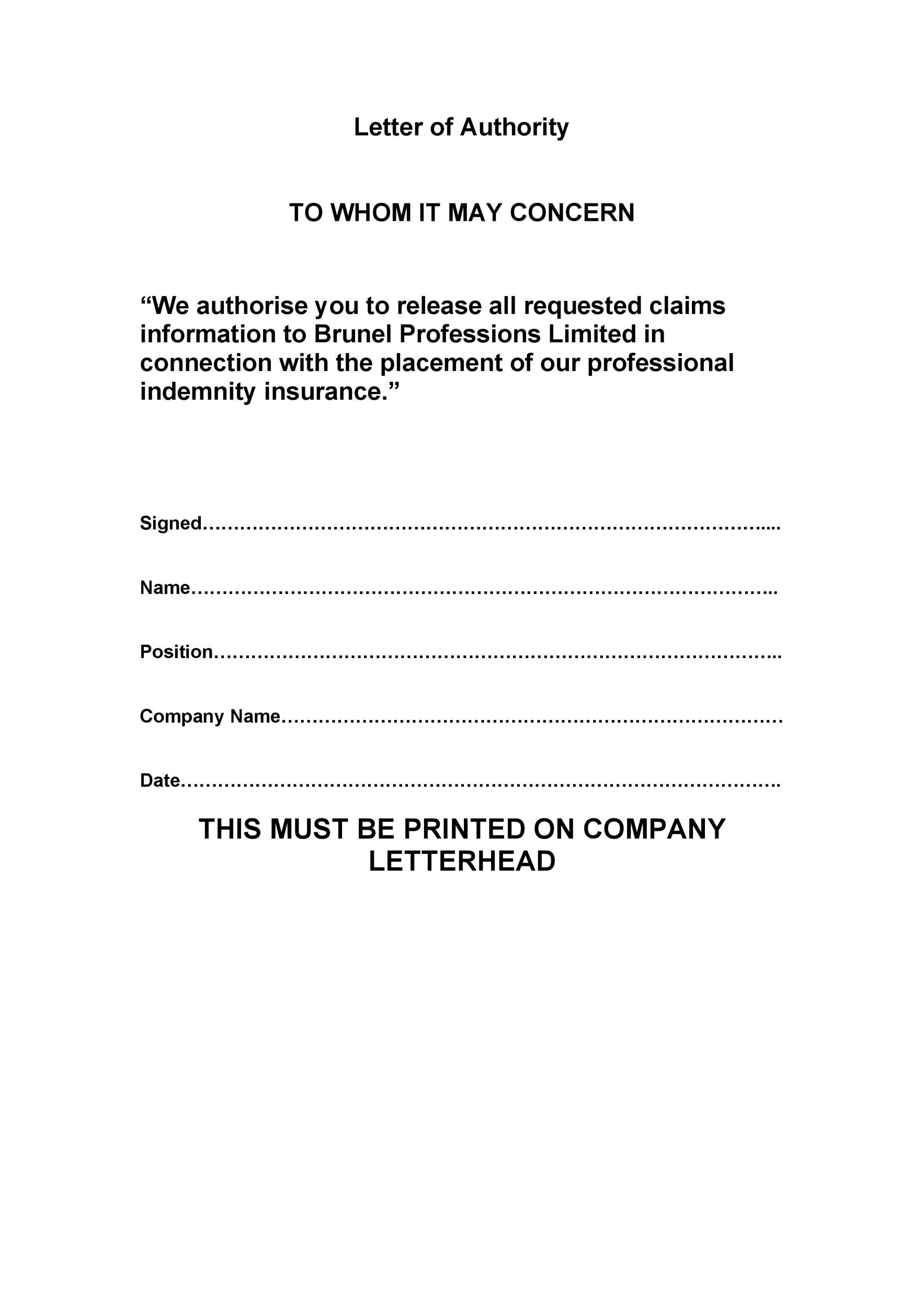
50 To Whom It May Concern Letter & Email Templates ᐅ TemplateLab
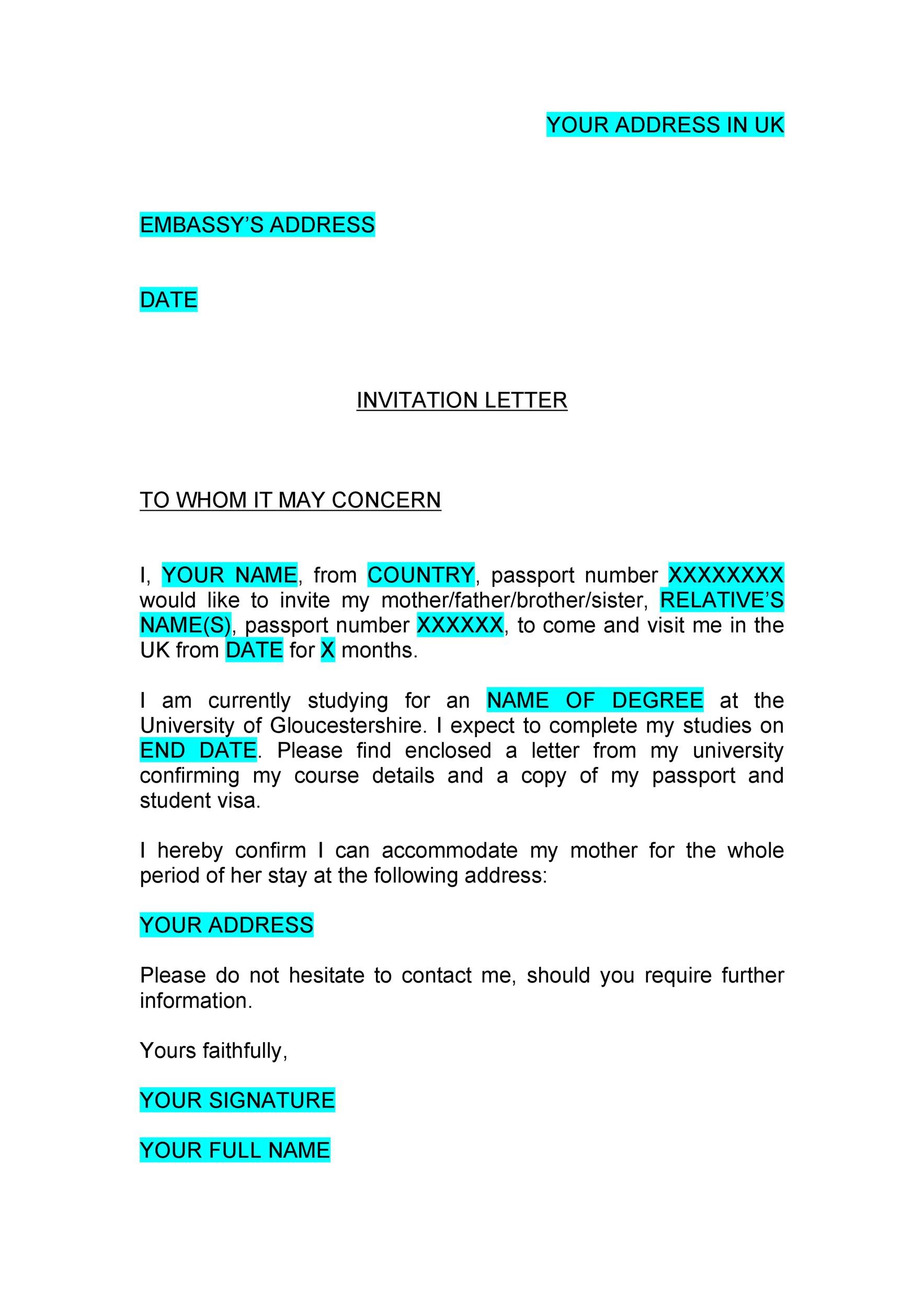
To Whom It May Concern Letter Format For Embassy Sample Letter Of To Images

To Whom It May Concern Letter Format Word For Courier
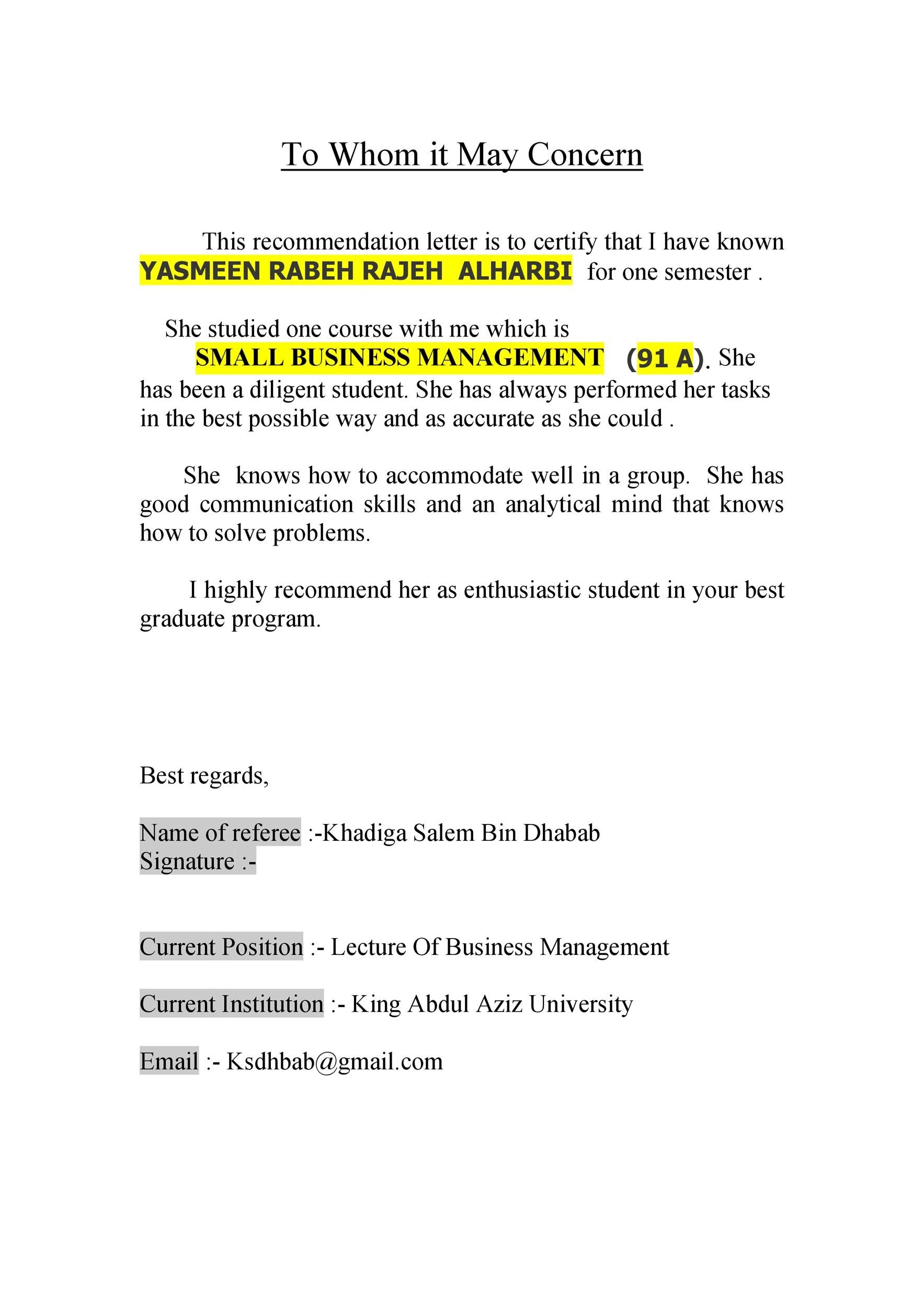
50 To Whom It May Concern Letter & Email Templates ᐅ TemplateLab
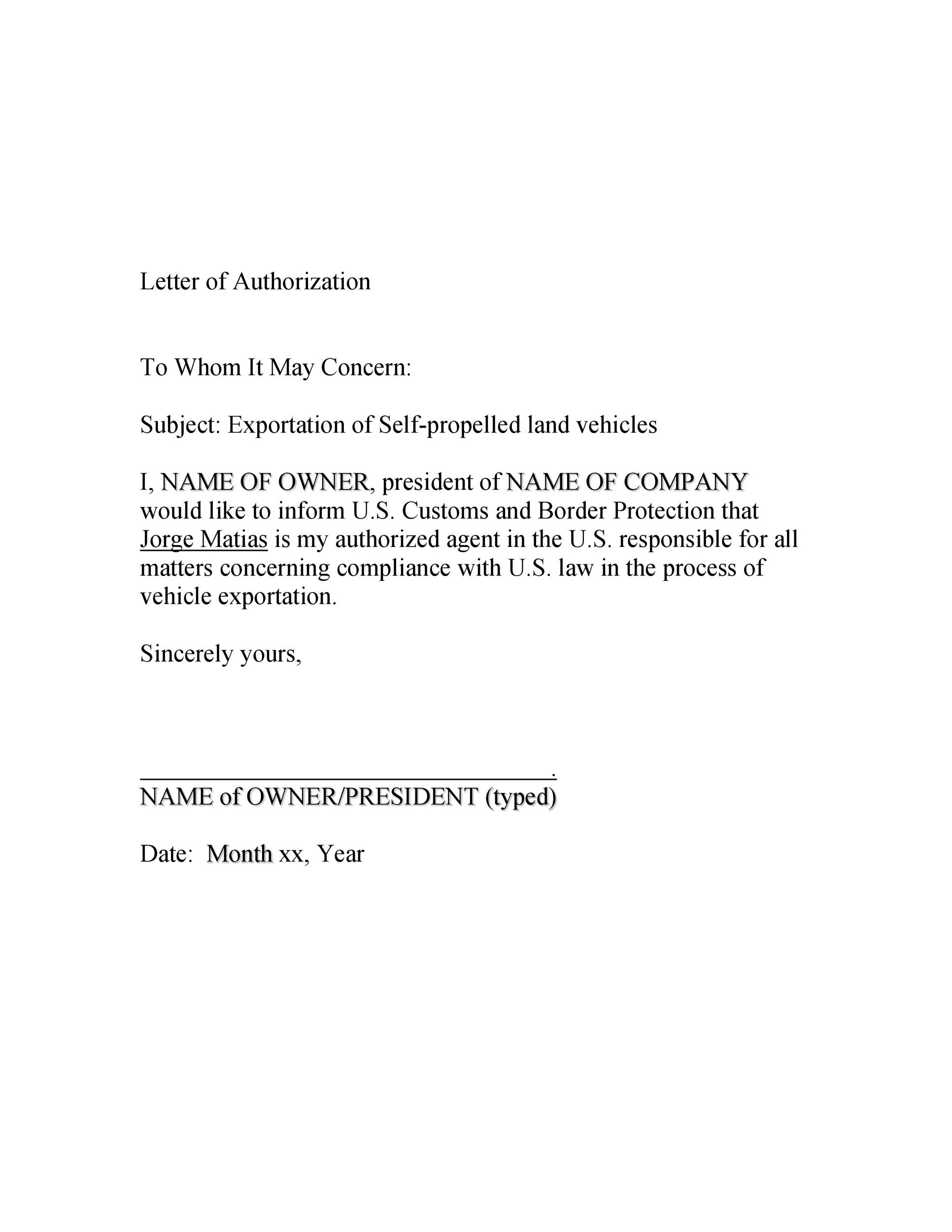
50 To Whom It May Concern Letter & Email Templates ᐅ TemplateLab
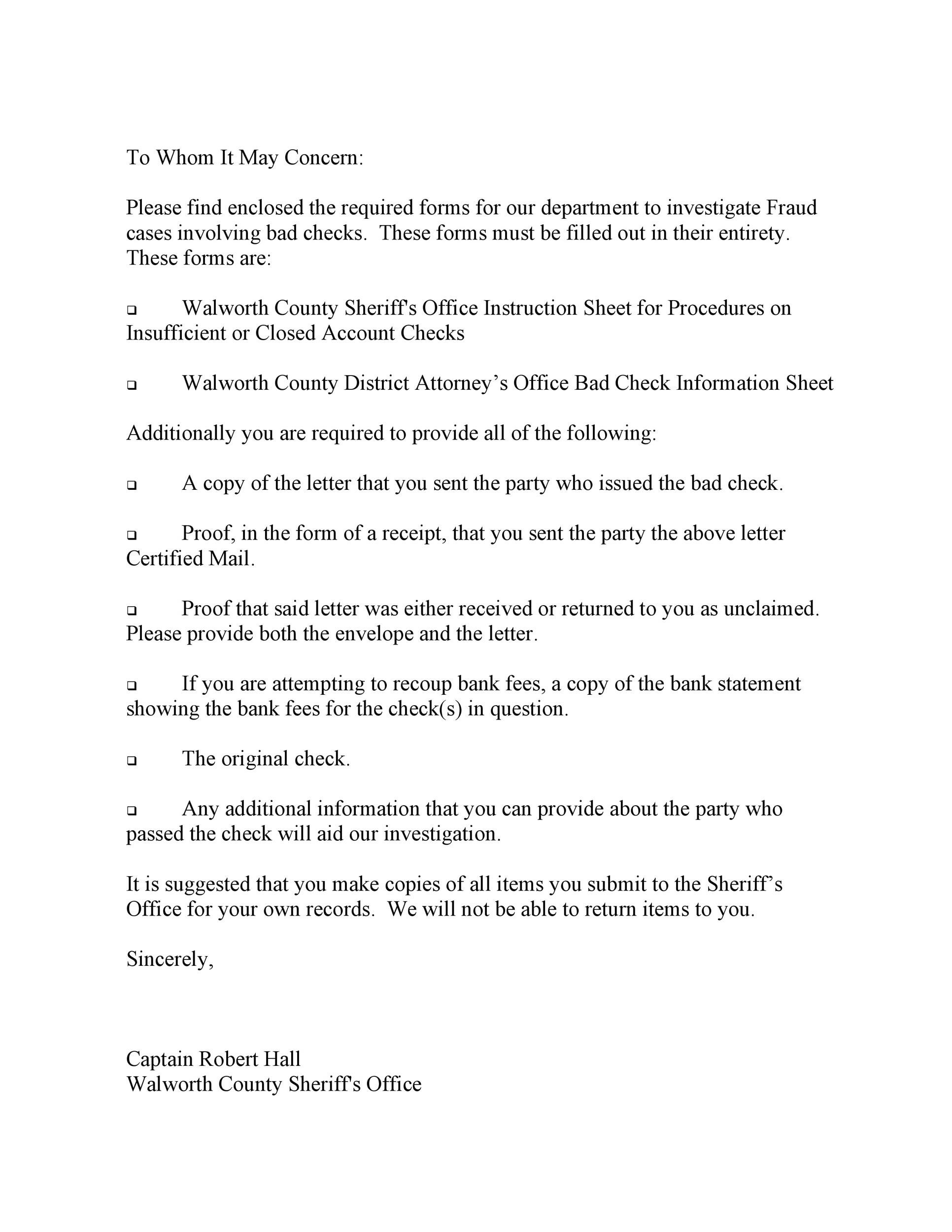
50 To Whom It May Concern Letter & Email Templates ᐅ TemplateLab
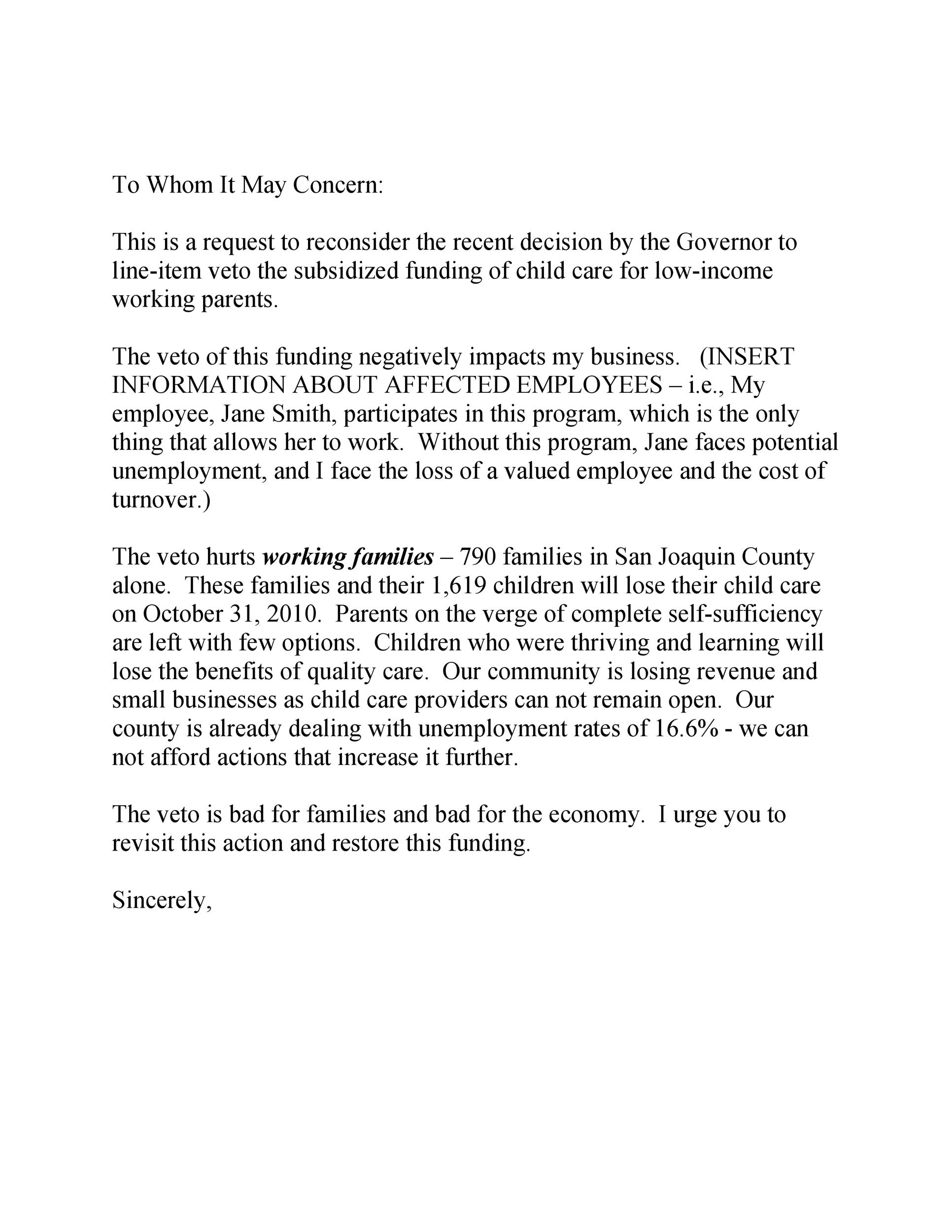
50 To Whom It May Concern Letter & Email Templates ᐅ TemplateLab
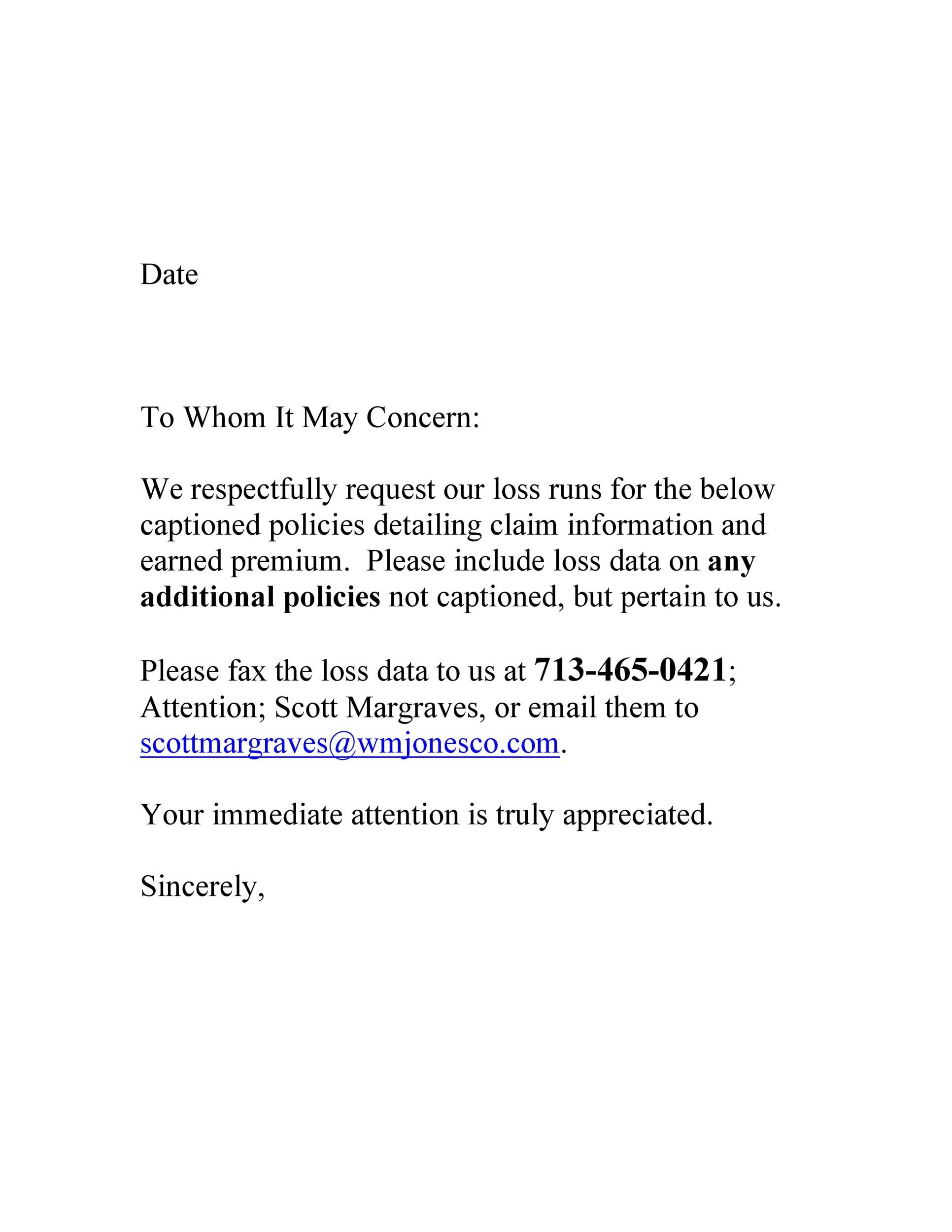
A Letter format to whomsoever It May Concern Copy Business Letter to

50 To Whom It May Concern Letter & Email Templates ᐅ TemplateLab
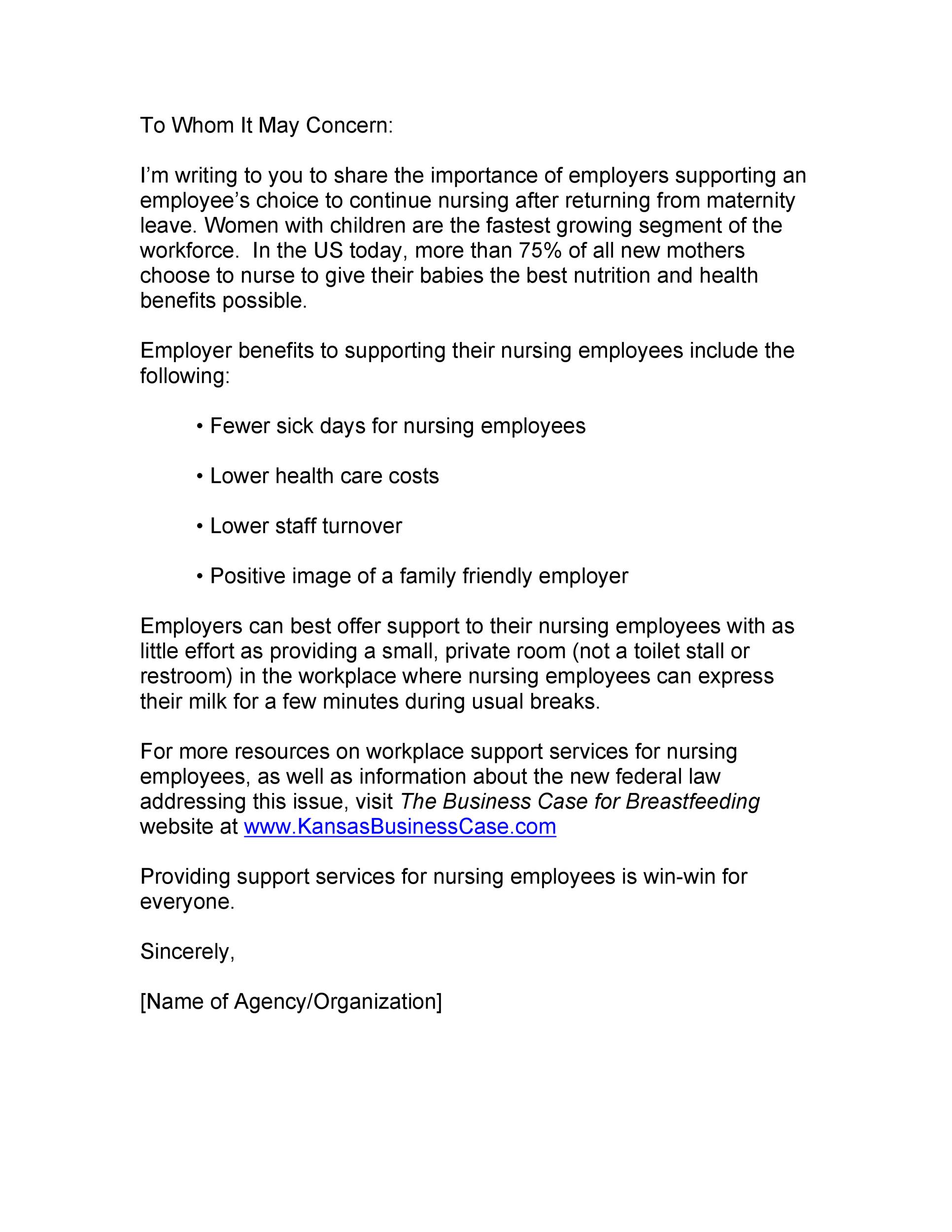
I will also discuss situations when to use them and when not to. Web to whom it may concern is a salutation for a letter or email, most commonly employed when the writer does not know the recipient’s name. Discover when and how to use it, alternatives, sample letters and templates. Web to whom it may concern is a formal greeting that can be used to start an email or letter addressed to someone whose name you don’t know or to no one in particular. Web a “to whom it may concern” letter is okay to use when you introduce yourself to a person you have not yet met. It’s widely used when the recipient’s name or title is unknown, such as when you are providing a recommendation for a former colleague and do not know the name of the hiring manager. Web learn the correct usage of to whom it may concern with our comprehensive guide. There are better options in most contexts. Web in this post, let me share some of the best “to whom it may concern” sample template examples of how to use them correctly in your email or letter. Web how to write a to whom it may concern letter. One can also use this salutation format for. Web if you're writing a complaint letter to a company and you don't know who will be reading it, to whom it may concern is appropriate. For instance, if you receive a letter requesting a quotation or some information about your business from a company, then. Web to whom it may concern is a broad way to address professional or formal correspondence. If you do not know the name of the person that handles the particular issue you are writing about, you use this salutation.
It Is Acceptable In Formal Or Professional Correspondence.
It ensures that your letter will be read by the person responsible for handling such matters, without making it seem like you didn't do your homework. For instance, if you receive a letter requesting a quotation or some information about your business from a company, then. There are better options in most contexts. The to whom it may concern letter is one of the best ways to create an email or letter to someone you do not know while keeping a professional tone and theme.
Web “To Whom It May Concern” Is A Conventional Formal Generic Salutation Used In Letters Or Correspondence Where The Name And Title Of The Addressee Or Recipient Are Unknown.
Web if you're writing a complaint letter to a company and you don't know who will be reading it, to whom it may concern is appropriate. Web to whom it may concern is a salutation for a letter or email, most commonly employed when the writer does not know the recipient’s name. Web in this post, let me share some of the best “to whom it may concern” sample template examples of how to use them correctly in your email or letter. It’s widely used when the recipient’s name or title is unknown, such as when you are providing a recommendation for a former colleague and do not know the name of the hiring manager.
It Is Generally Considered A Professional Way To Begin A Cover Letter Or An Email For Business Correspondence.
Web a “to whom it may concern” letter is okay to use when you introduce yourself to a person you have not yet met. Web learn the correct usage of to whom it may concern with our comprehensive guide. One can also use this salutation format for. Web how to write a to whom it may concern letter.
I Will Also Discuss Situations When To Use Them And When Not To.
Web to whom it may concern is a broad way to address professional or formal correspondence. If you do not know the name of the person that handles the particular issue you are writing about, you use this salutation. Web to whom it may concern is a formal greeting that can be used to start an email or letter addressed to someone whose name you don’t know or to no one in particular. When to use to whom it may concern