
This includes the beginning, middle and ending. It was francis ford coppola. Sets the scene, introduces main characters, and establishes the story world. We’re introduced to the main players as well as the main conflict. We understand the voice, tone, and direction of the story.
In 1992, hart got a phone call at midnight in new york city. What you’ll learn in this course: Screenwriter syd field made this ancient storytelling tool unique for screenwriters in 1978 with the publishing of his book, screenplay. They are broken into three parts, act 1, the first 25% of the story, act 2, the middle 50% of the plot, and act 3, which contains the final 25% of the action. At its most basic level, it is a way to look at a story's beginning, middle, and end.
Novelists, playwrights, and screenwriters have many options for organizing the structure of their novels, plays, movies, and television episodes. Web the three act structure is just what it sounds like: | discover new ways to use notion across work and life. It’s a story beat template that breaks a story down into three major components. Traditionally, these narratives are broken into acts, which are subdivisions of.
The ThreeAct Structure in Screenwriting Arc Studio Blog

Three Act Structure Template
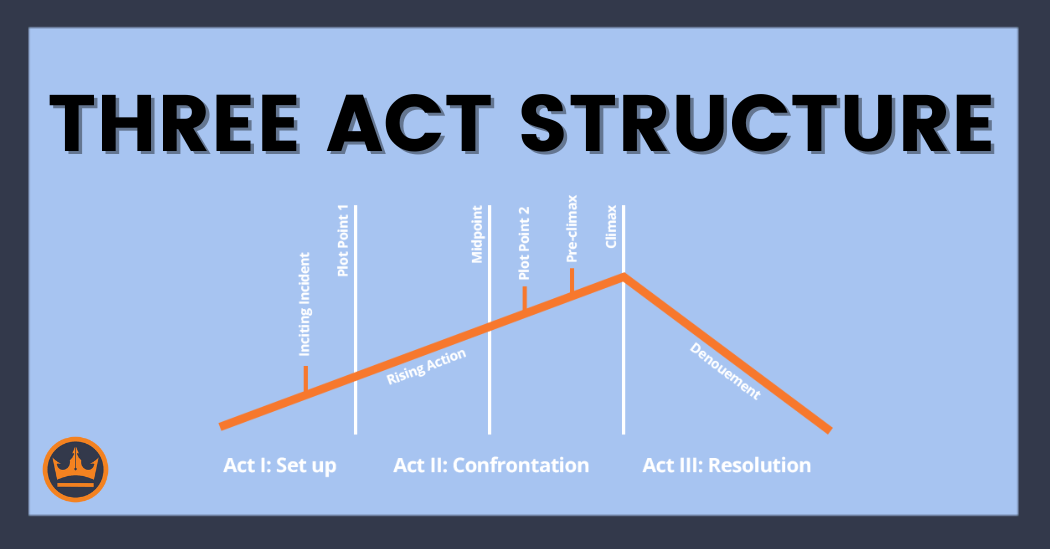
ThreeAct Structure What You Should Know

Three Act Structure in Film Definition and Examples
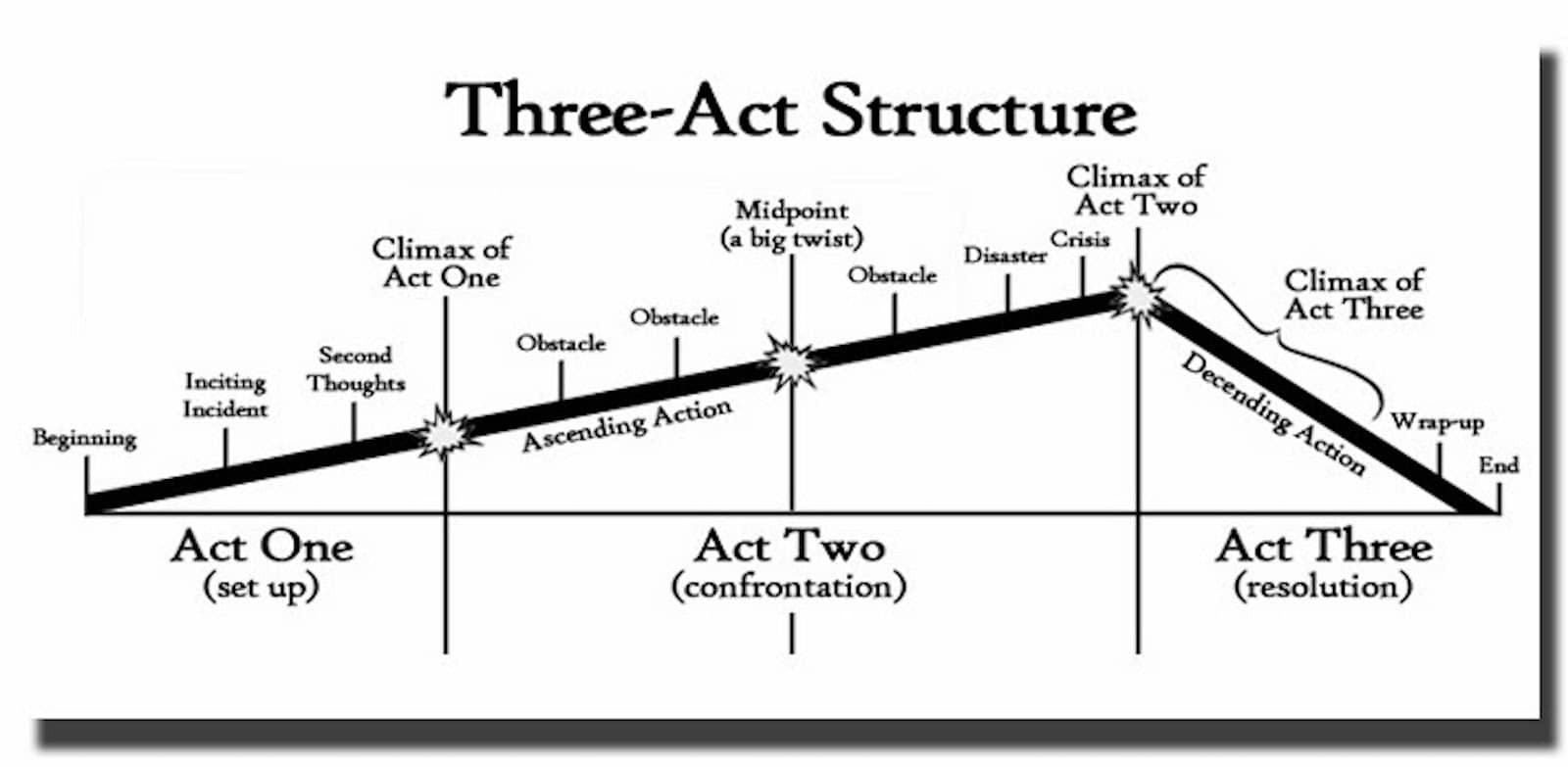
ThreeAct Structure With Examples (+ Free Template) Imagine Forest
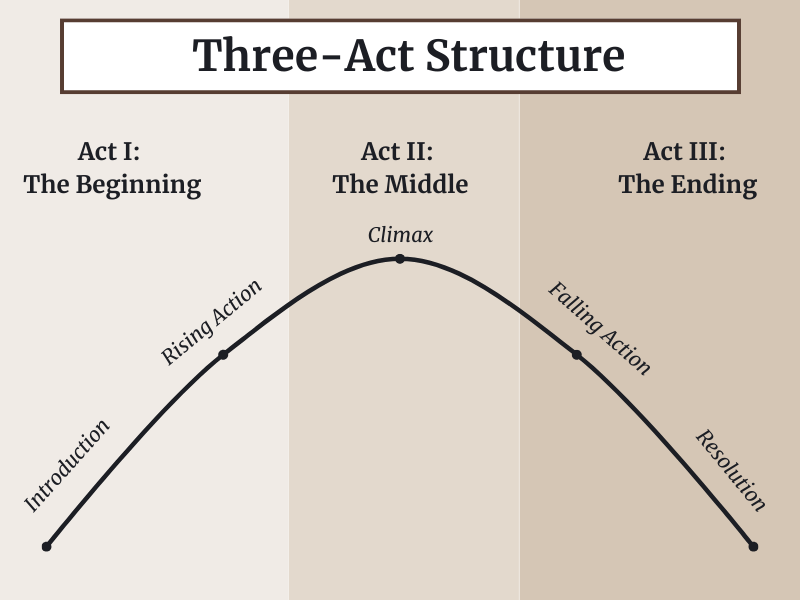
Three Act Story Structure Template
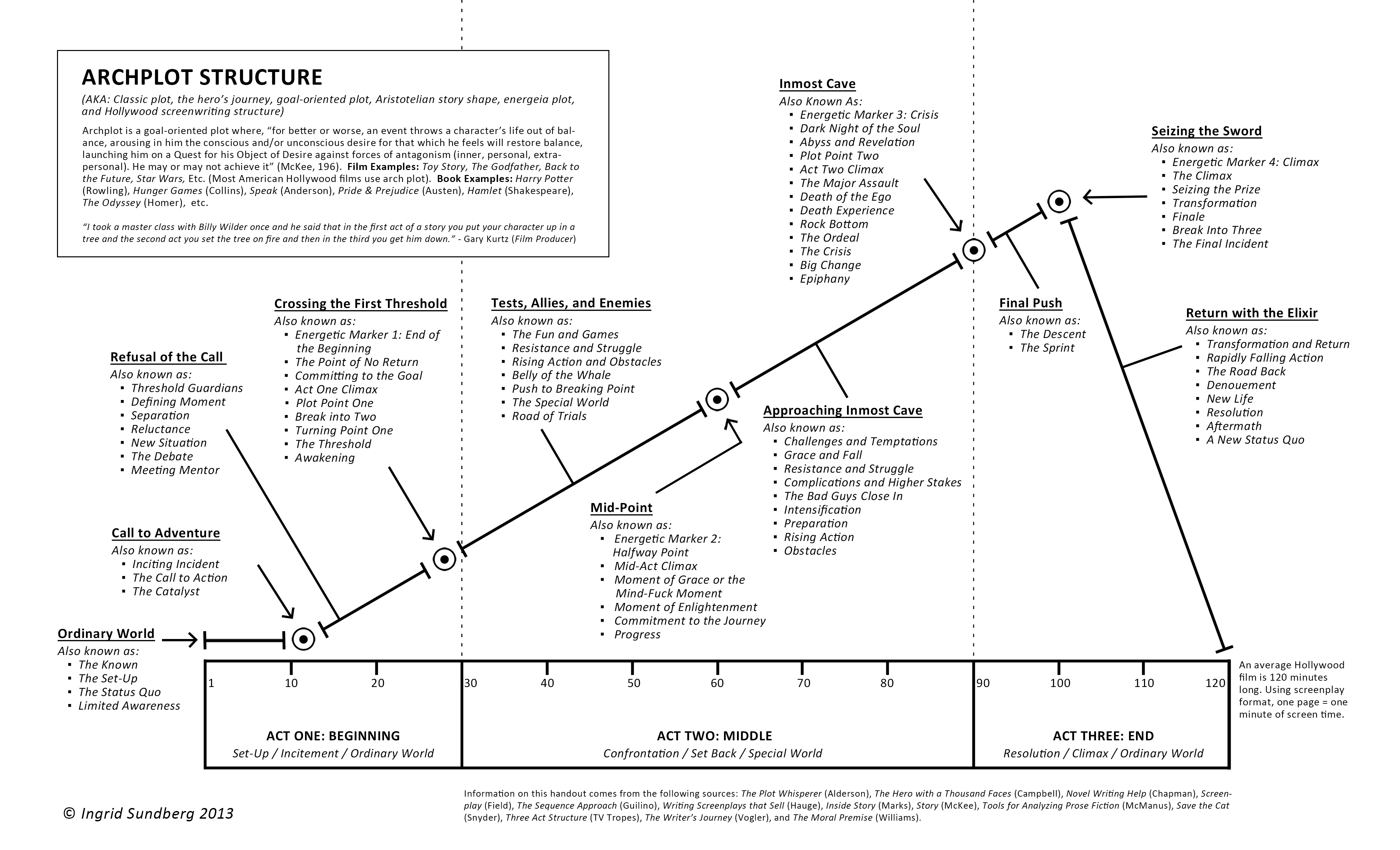
The Three Act Structure Template & Example Milanote
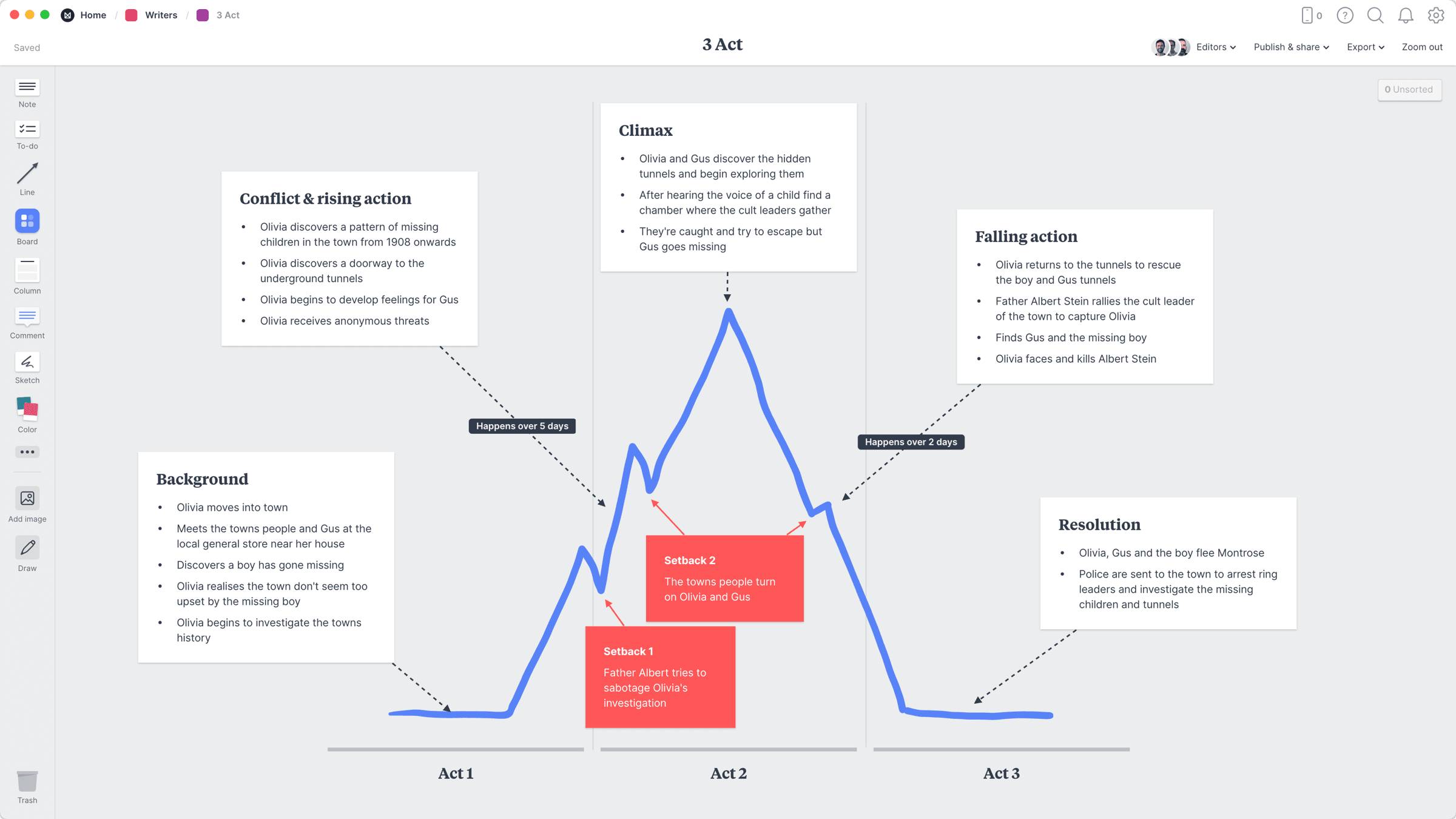
Printable Writing Worksheet Three Act Plot Structure Etsy Canada
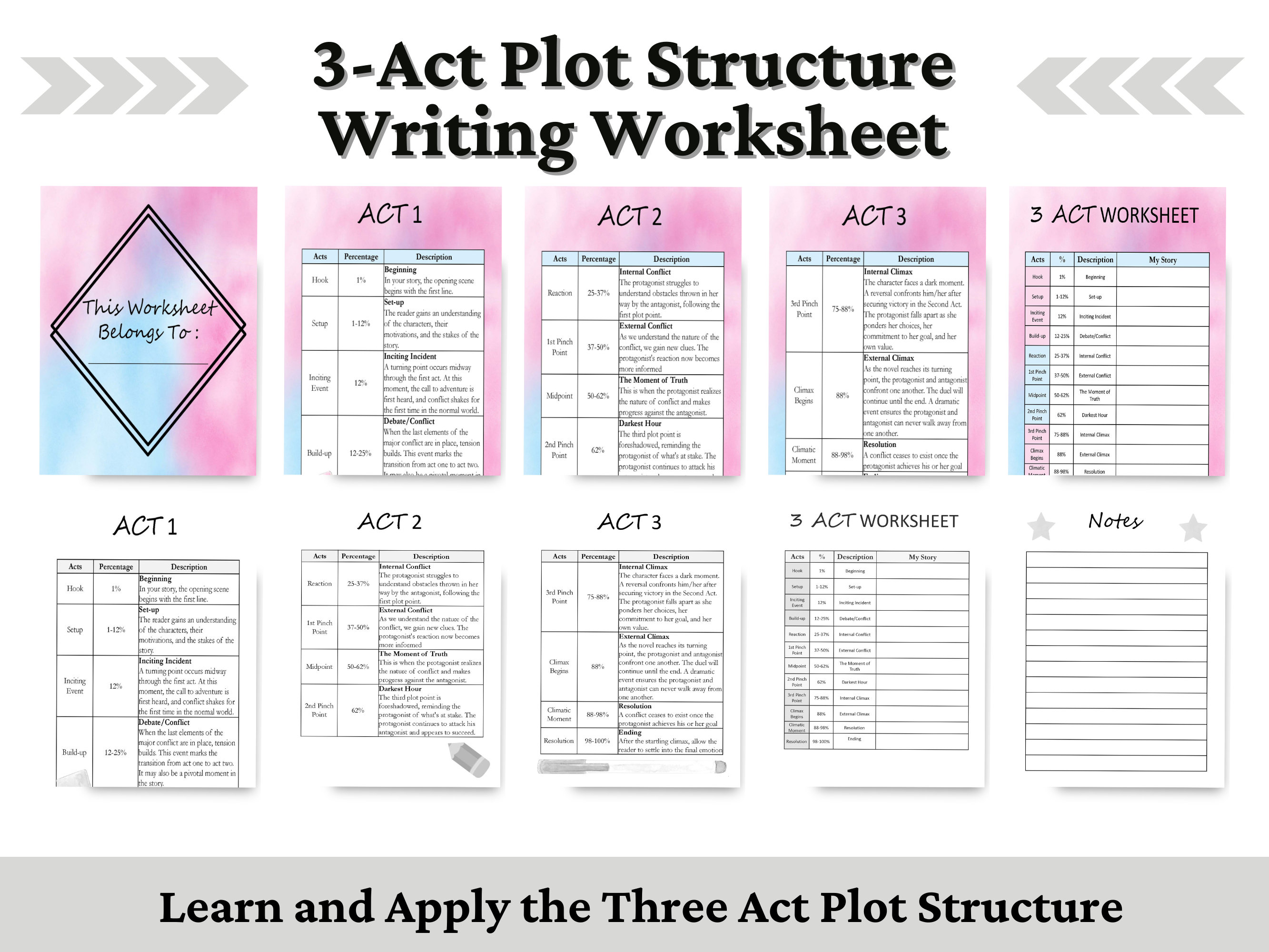
Story Structure 7 Types All Writers Should Know
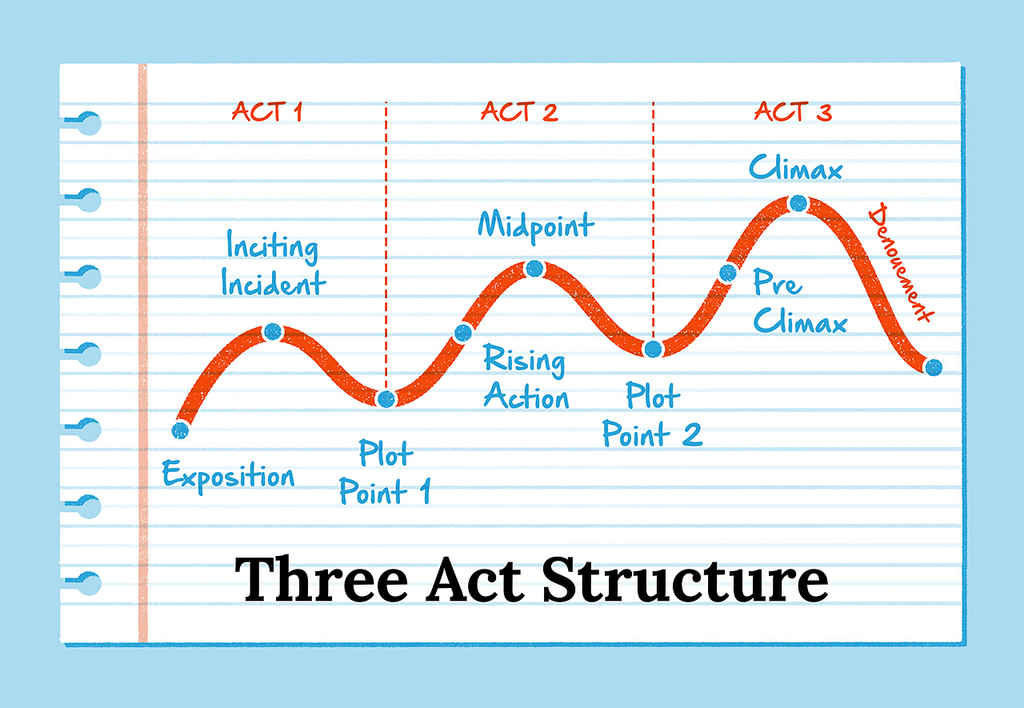
ThreeAct Structure With Examples (+ Free Template) Imagine Forest

Novelists, playwrights, and screenwriters have many options for organizing the structure of their novels, plays, movies, and television episodes. I think i know how to solve it. This includes the beginning, middle and ending. You introduce your main characters, the setting and start the major conflict? A beginning, a middle and an end. In the law school story, i'm trying to solve the problem using a set of tactics: This template gives you the building blocks to map out your story in three parts (acts), often called the setup, the confrontation, and the resolution. The three act structure is broken down into nine beats that vary slightly in length. Traditionally, these narratives are broken into acts, which are subdivisions of. We understand the voice, tone, and direction of the story. We’re introduced to the main players as well as the main conflict. Web how to write three act structure. Web the hart chart. Web the three act structure breaks down into major story beats that your protagonist(s) will follow. Web the three act structure is a narrative model that divides stories into three parts — act one, act two, and act three, or rather, a beginning, middle, and end.
A Pivotal Moment That Propels The Story Into The Next Act.
We’re introduced to the main players as well as the main conflict. A beginning, a middle and an end. They are broken into three parts, act 1, the first 25% of the story, act 2, the middle 50% of the plot, and act 3, which contains the final 25% of the action. In 1992, hart got a phone call at midnight in new york city.
The Event That Starts The Story's Main Conflict.
Use the space provided to bullet point or note down your ideas for each act. | discover new ways to use notion across work and life. Screenwriter syd field made this ancient storytelling tool unique for screenwriters in 1978 with the publishing of his book, screenplay. Web the three act structure is a method of writing a novel in which the author crafts the story in three main sections, including the introduction/setup, the middle conflict, and the last act featuring the climax and resolution, with the purpose of creating an intriguing story.
Traditionally, These Narratives Are Broken Into Acts, Which Are Subdivisions Of.
Novelists, playwrights, and screenwriters have many options for organizing the structure of their novels, plays, movies, and television episodes. Here’s an overview of the structure to keep in mind as i go through each act and story beat/plot point in detail. I think i know how to solve it. What you’ll learn in this course:
This Template Gives You The Building Blocks To Map Out Your Story In Three Parts (Acts), Often Called The Setup, The Confrontation, And The Resolution.
Each act contains three major beats, for a total of nine over the course of your novel. You’ve got your setup, your conflict (or confrontation), and your resolution. Web the three act structure is a narrative model that divides stories into three parts — act one, act two, and act three, or rather, a beginning, middle, and end. At its most basic level, it is a way to look at a story's beginning, middle, and end.