
How do i determine if a template is gc rich? Standard pcr reagents include a set of appropriate primers for the desired target gene or dna segment to be amplified, dna polymerase, a buffer for the specific dna polymerase, deoxynucleotides (dntps), dna template, and sterile water. Since the middle of the last century ( brown and watson, 1953 ), many protocols have been developed to extract dna from a variety of biological samples. In many cases, dna is isolated from cell cultures or from microorganisms and subsequently used as a pcr template. Following purification, it is necessary to determine the concentration of the dna to be able to define the volume that is required for the pcr setup.
Preparation of template dna is a critical step in pcr. Following purification, it is necessary to determine the concentration of the dna to be able to define the volume that is required for the pcr setup. How do i determine if a template is gc rich? Click editing uses dna polymerases, huh endonucleases and oligonucleotide templates for genome modification. This tutorial reviews calculations that can be used for determining the mass of gdna and plasmid templates that correspond to copy numbers of target nucleic acid sequences.
Pcr is a highly sensitive technique and requires only one or two dna templates for successful amplification. What is the optimal amount of dna template that should be used for pcr? Dna from a variety of sources may be used as the supplier of the dna template for 3 basic steps of the polymerase chain reaction. The addition of modified nucleotides (dntps) called dideoxyribonucleotides (ddntps). A standard polymerase chain reaction (pcr) is an in vitro method that allows a single, short region of a dna molecule (single gene perhaps) to be copied multiple times by taq polymerase.
Template Dna Pcr

How Much Template Dna For Pcr

What are the properties of PCR (template) DNA?
Template Dna For Pcr

Setting up for Success How Do I Ensure I Have the Right Template for
What are the properties of PCR (template) DNA?
Template Dna Pcr

Template Dna Pcr
Template Dna For Pcr

Template Dna Pcr
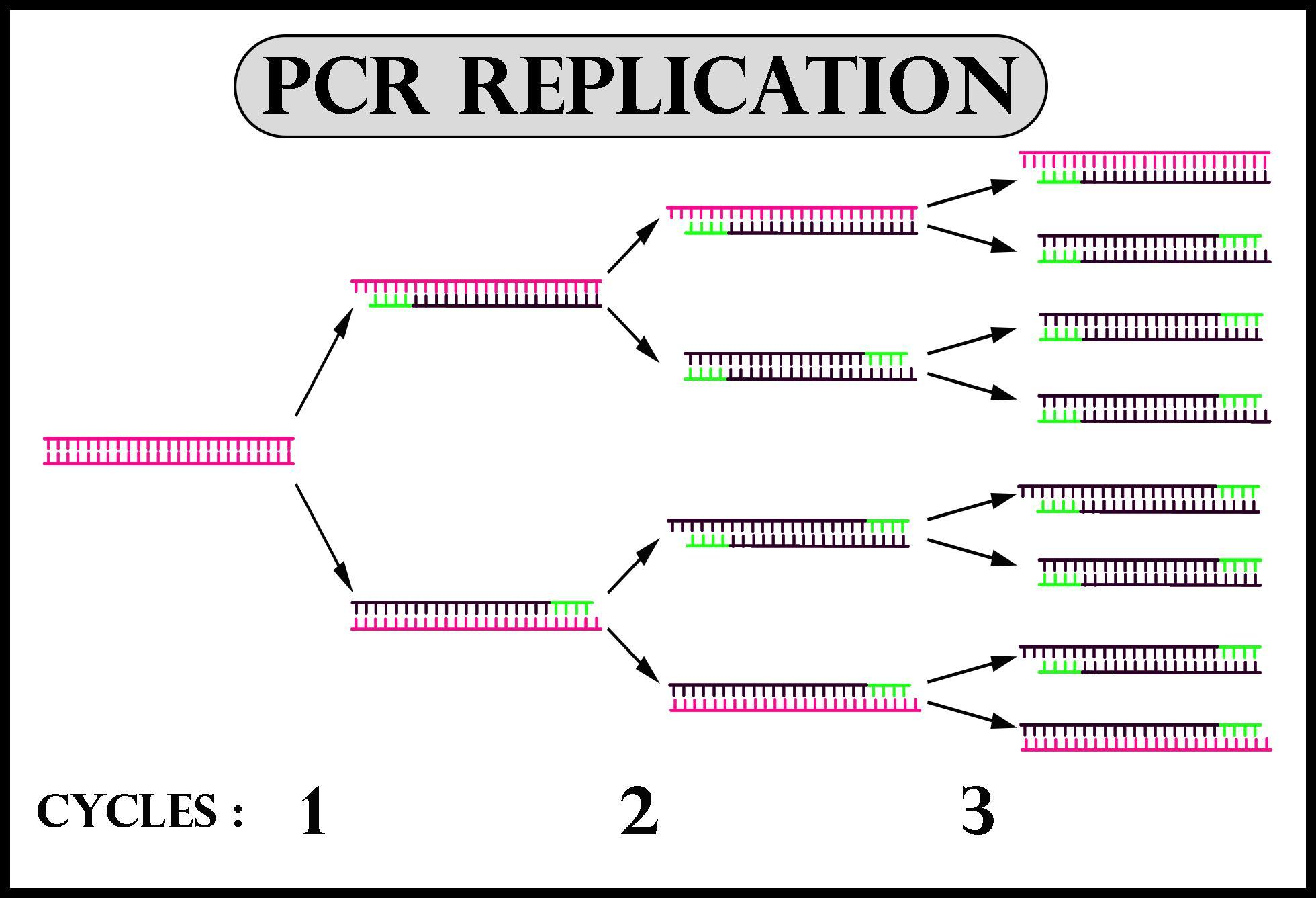
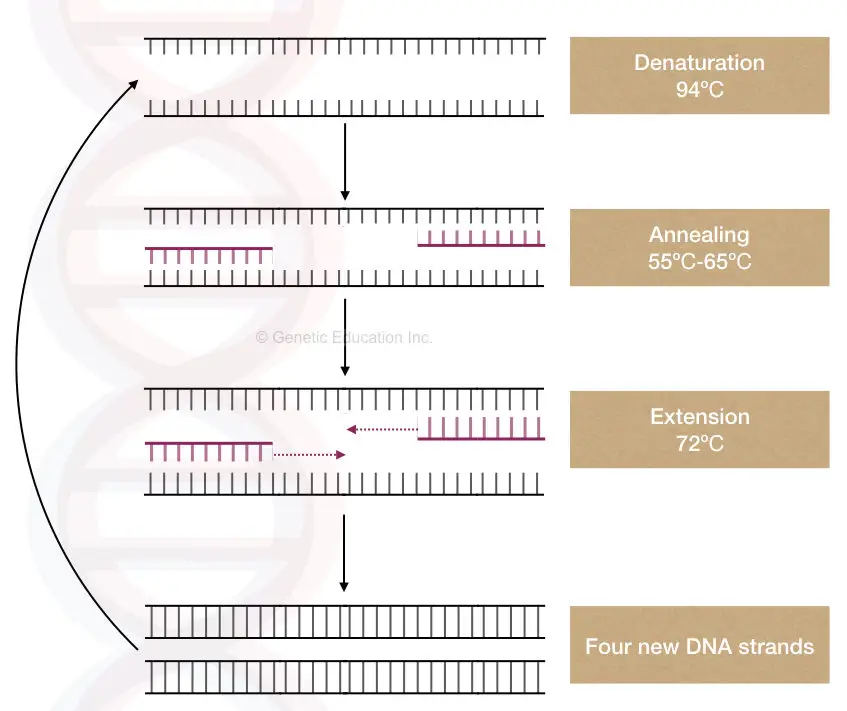
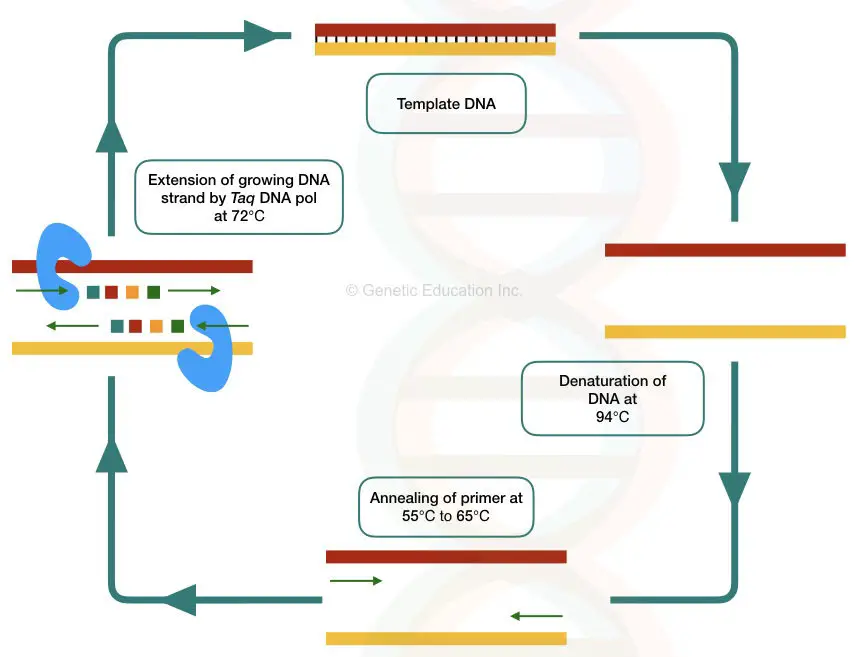
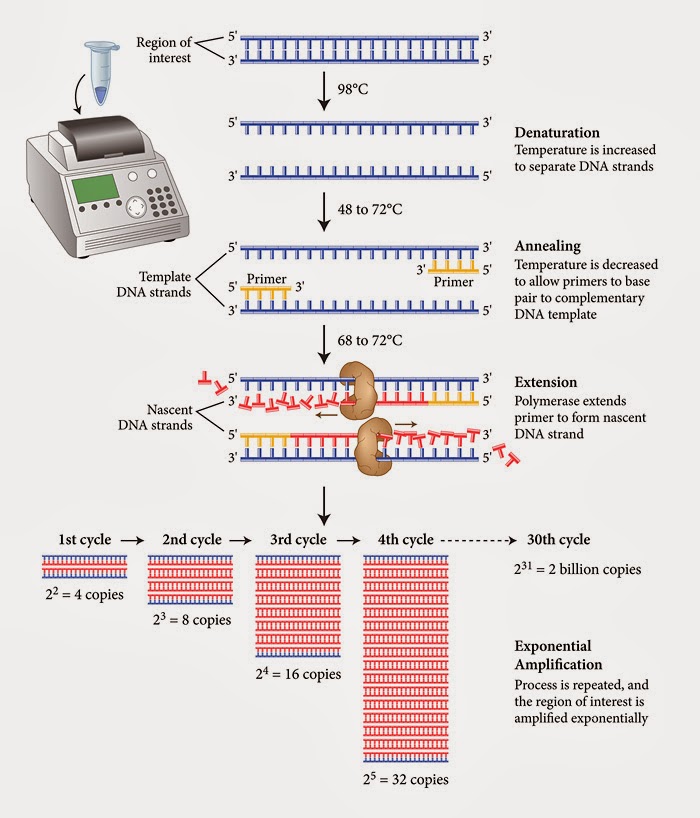
To apply pcr to the study of rna, the rna sample must first be converted to cdna to provide the necessary dna template for the thermostable polymerase (figure 1). Pcr involves the enzymatic amplification of nucleic acid templates, and can be divided into four major steps, listed below. Genomic dna, plasmid dna, cdna or purified pcr products can be used as template dna in pcr. Standard pcr reagents include a set of appropriate primers for the desired target gene or dna segment to be amplified, dna polymerase, a buffer for the specific dna polymerase, deoxynucleotides (dntps), dna template, and sterile water. In many cases, dna is isolated from cell cultures or from microorganisms and subsequently used as a pcr template. The source of dna can include genomic dna (gdna), complementary dna (cdna) or plasmids. Nevertheless, the composition or complexity of the dna contributes to optimal input amounts for pcr amplification. For pcr templates, it is important that the product is purified away from the pcr reactants, especially the primers, as these can cause high background in the sequencing reaction. Pcr primers are designed as pairs, referred to. Following purification, it is necessary to determine the concentration of the dna to be able to define the volume that is required for the pcr setup. How do i determine if a template is gc rich? What is the optimal amount of dna template that should be used for pcr? The ph of the reaction buffer should be 8.3 when measured at 25c. A pcr template for replication can be of any dna source, such as genomic dna (gdna), complementary dna (cdna), and plasmid dna. The standard reaction conditions for pcr are:
Following Purification, It Is Necessary To Determine The Concentration Of The Dna To Be Able To Define The Volume That Is Required For The Pcr Setup.
Standard pcr reagents include a set of appropriate primers for the desired target gene or dna segment to be amplified, dna polymerase, a buffer for the specific dna polymerase, deoxynucleotides (dntps), dna template, and sterile water. A pcr template for replication can be of any dna source, such as genomic dna (gdna), complementary dna (cdna), and plasmid dna. Pcr requires just 5 key components: Dna from a variety of sources may be used as the supplier of the dna template for 3 basic steps of the polymerase chain reaction.
Pcr Involves The Enzymatic Amplification Of Nucleic Acid Templates, And Can Be Divided Into Four Major Steps, Listed Below.
Pcr primers are designed as pairs, referred to. Genomic dna, plasmid dna, cdna or purified pcr products can be used as template dna in pcr. Nevertheless, the composition or complexity of the dna contributes to optimal input amounts for pcr amplification. In many cases, dna is isolated from cell cultures or from microorganisms and subsequently used as a pcr template.
The Source Of Dna Can Include Genomic Dna (Gdna), Complementary Dna (Cdna) Or Plasmids.
Genomic dna (gdna) and plasmids containing cloned target sequences are commonly used as standards in quantitative pcr. As an initial guide, spectrophotometric and molar conversion values for different nucleic acid templates are listed below. How do i determine if a template is gc rich? The standard reaction conditions for pcr are:
Short Dna Fragments Bind Complementary Regions Of The Template To Begin New Strand Synthesis.
The ph of the reaction buffer should be 8.3 when measured at 25c. The amplification is achieved by thermostable taq dna polymerase enzyme. Pcr is based on using the ability of dna polymerase to synthesize new strand of dna complementary to the offered template strand. Dna template in pcr amplification.