
Download an ishikawa diagram template in. Web ishikawa diagram allows to identify the causes of actual or potential failures of various types of projects. Create a cause and effect diagram with a spreadsheet. Although not angled like most fishbone diagrams, this template is very simple to edit and customize. It can be successfully used in industry, services, administration and.
Web an ishikawa chart is a diagram used to identify and analyze the potential causes of a problem. Cause and effect diagram) to conduct root cause analysis of delay, waste, rework or cost. Create a cause and effect diagram with a spreadsheet. Web use the ishikawa diagram or fishbone diagram template in excel (a.k.a. It is also referred to as cause.
Web ishikawa diagram allows to identify the causes of actual or potential failures of various types of projects. Cause and effect diagram) to conduct root cause analysis of delay, waste, rework or cost. It was developed by kaoru ishikawa, a japanese quality control. Web an ishikawa chart is a diagram used to identify and analyze the potential causes of a problem. Web the fishbone diagram template by canva—which uses the ishikawa diagram model—offers a seamless integration of creativity and workflow, allowing you to.
Ishikawa Excel Template
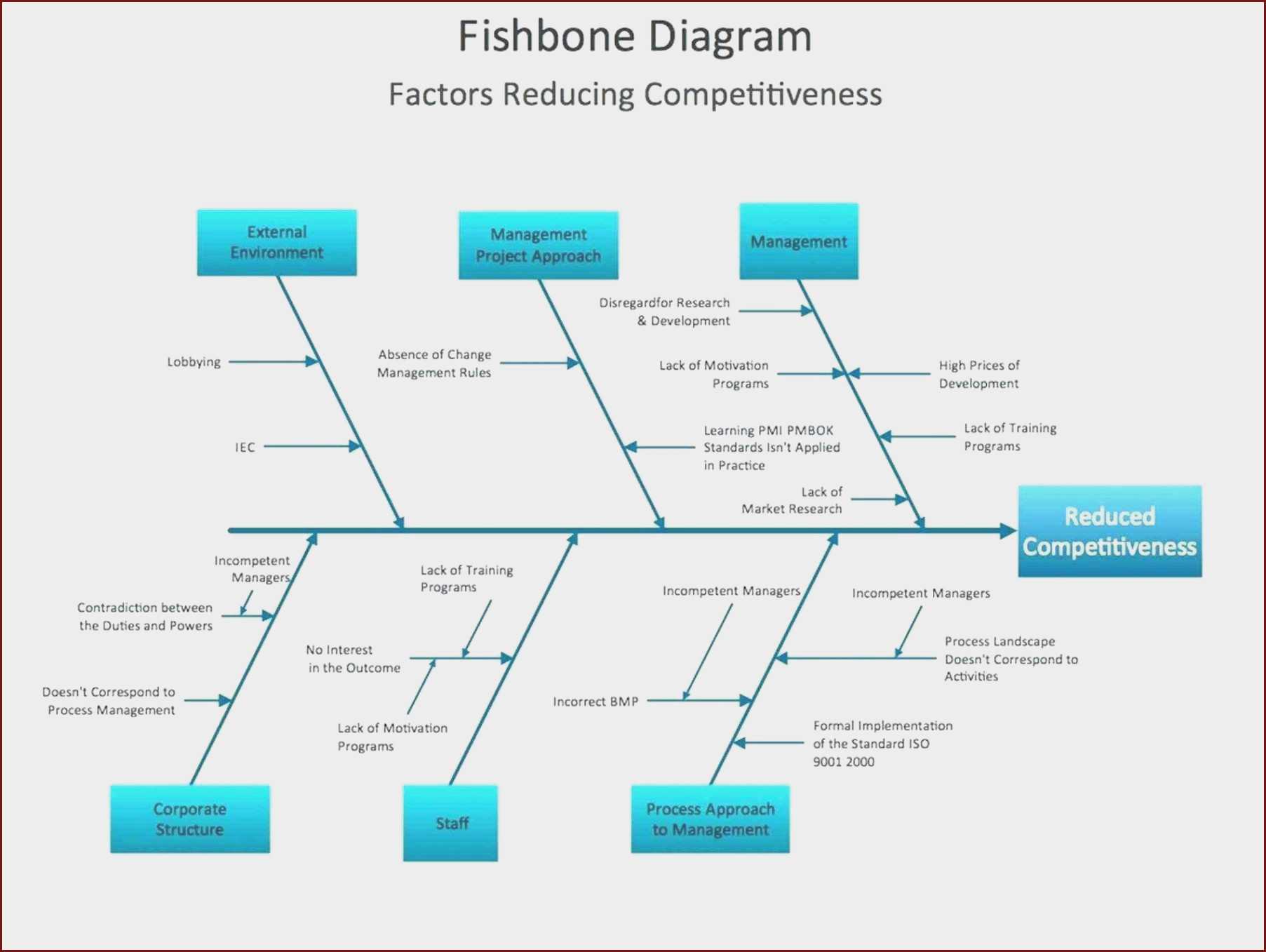
Cause and Effect Ishikawa Diagram Excel Ishikawa Diagram Template

Ishikawa Diagram Templates 101 Diagrams

Ishikawa Fishbone Diagram Template

Ishikawa Excel Template

Ishikawa diagram excel template kizaname
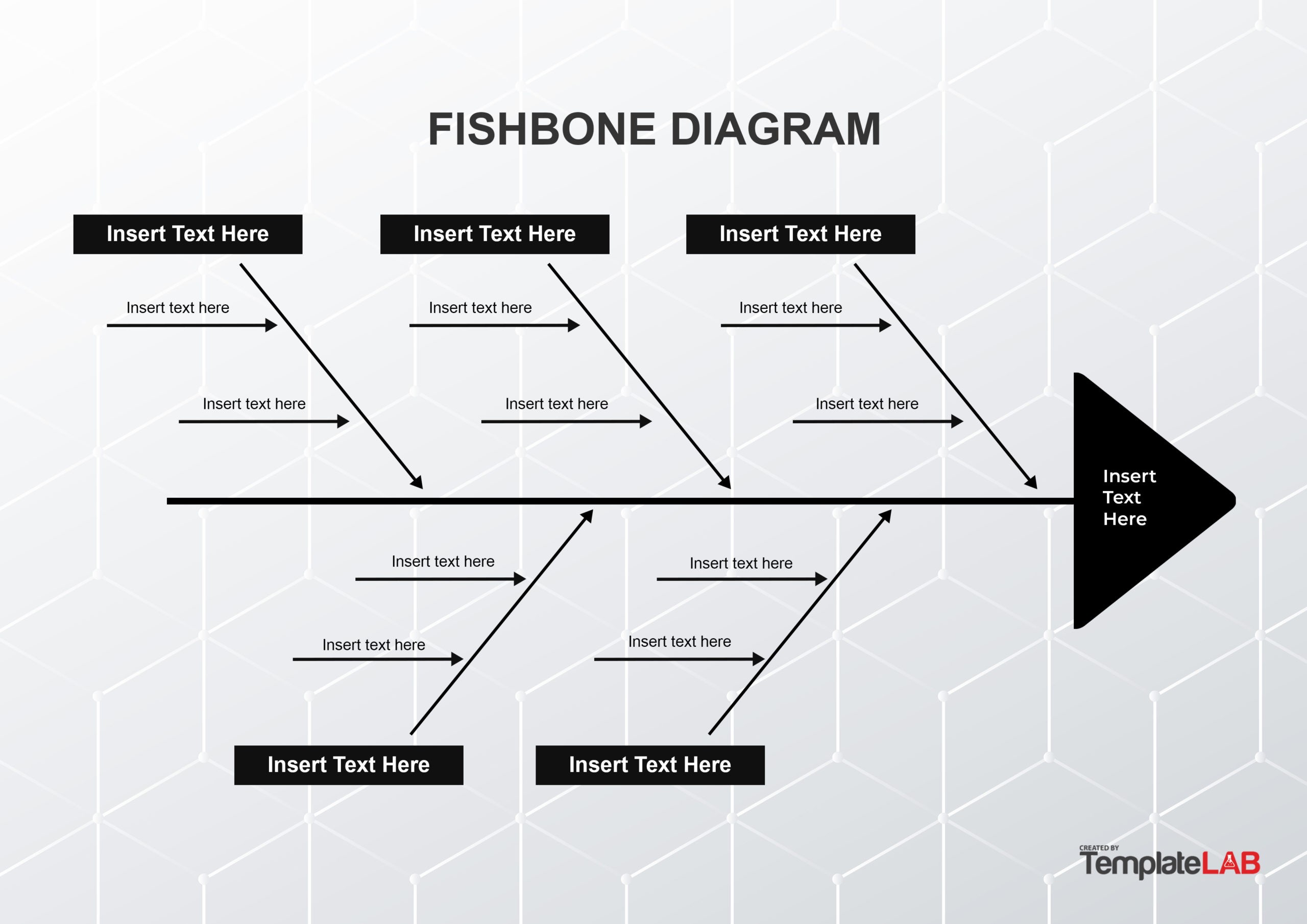
4 Steps The 5Why Analysis Using the Ishikawa Diagram【Excel Template

Ishikawa diagram excel multigilit

Sensational Ishikawa Excel Template Production Management

Ishikawa Template Excel Template.vercel.app

Web ishikawa diagram allows to identify the causes of actual or potential failures of various types of projects. A fishbone diagram is simply a tool to be used along with brainstorming and the 5 whys. Create a cause and effect diagram with a spreadsheet. Web this template attempts to automate the job of creating a fishbone diagram and should help you and your team get on your way to finding root causes. Utilize this template to understand. Web fishbone diagram templates | ishikawa diagrams | editable online or download for free | creately. In this template you’ll find: Web the fishbone diagram is an effective tool for visually presenting the relationships between causes and effects in a clear and understandable manner. Although not angled like most fishbone diagrams, this template is very simple to edit and customize. Web use the ishikawa diagram or fishbone diagram template in excel (a.k.a. Web an ishikawa chart is a diagram used to identify and analyze the potential causes of a problem. It was developed by kaoru ishikawa, a japanese quality control. Web you can create ishikawa diagrams easily using excel. Agree on the problem statement as. Identify and analyze root causes of problems with creately's fishbone.
Download An Ishikawa Diagram Template In.
It is also referred to as cause. The purpose of a cause and effect analysis is to identify the causes, factors, or sources of variation that lead to a specific event, result, or defect in a product or process. Web features fishbone diagram excel template. Web ishikawa diagram allows to identify the causes of actual or potential failures of various types of projects.
It Can Be Successfully Used In Industry, Services, Administration And.
Agree on the problem statement as. Web this template attempts to automate the job of creating a fishbone diagram and should help you and your team get on your way to finding root causes. Web use the ishikawa or fishbone diagram template (a.k.a. Web an ishikawa chart is a diagram used to identify and analyze the potential causes of a problem.
Web We’ve Gathered The Most Useful Free Escalation Matrix Templates In Excel, Microsoft Word, Adobe Pdf, Powerpoint, And Google Docs, Sheets, And Slides.
Web you can create ishikawa diagrams easily using excel. It can be successfully used in industry, services, administration and. Cause and effect diagram) to conduct root cause analysis of delay, waste, rework or cost. Web the fishbone diagram template by canva—which uses the ishikawa diagram model—offers a seamless integration of creativity and workflow, allowing you to.
Web Ishikawa Diagram Template.
Identify and analyze root causes of problems with creately's fishbone. Web this fishbone diagram template will assist you in identifying the root causes of problems with your processes, and is an essential tool in the continuous improvement toolkit. You just have to insert the required shapes, whether arrows, rectangles or circles, and add the description. It was developed by kaoru ishikawa, a japanese quality control.