
Severe features of hypokalemia that require urgent treatment include a serum potassium. Increased loss of potassium from the body or movement of potassium into the cells resulting in a blood potassium less than 3 meq/l. Blood potassium less than 3. A serum potassium level of 2.5 to 3 mmol/l is classified as moderate. View hypokalemia.pdf from nsg 3023 at south university, savannah.
On studocu you find all the lecture notes, summaries and study guides you need to pass your exams with better grades. Increased loss of potassium from the body or movement of potassium into the cells resulting in a blood potassium less than 3 meq/l. This chapter provides causes, evaluation, clinical manifestations, and treatment of hypokalemia explicitly. View hypokalemia.pdf from nsg 3023 at south university, savannah. (1) the definition and prevalence of hypokalemia, (2) the physiology of potassium homeostasis, (3) the various causes leading to hypokalemia, (4) the diagnostic steps for the assessment of hypokalemia and (5) the appropriate treatment of hypokalemia depending on the cause.
This chapter provides causes, evaluation, clinical manifestations, and treatment of hypokalemia explicitly. Hypokalemia is serum potassium concentration < 3.5 meq/l (< 3.5 mmol/l) caused by a deficit in total body potassium stores or abnormal movement of potassium into cells. Symptoms of hypokalemia vary depending on the severity and underlying cause but may include muscle weakness, fatigue, cramping, palpitations, and constipation. Details of hypokalemic and thyrotoxic periodic paralysis and hypokalemic hypertensive as well as normotensive disorders are also provided. The condition can result from many different medical problems, including those affecting the kidney or gastrointestinal tract.
Hyper vs Hypokalemia Overview Clinical Overview of the Kalemias
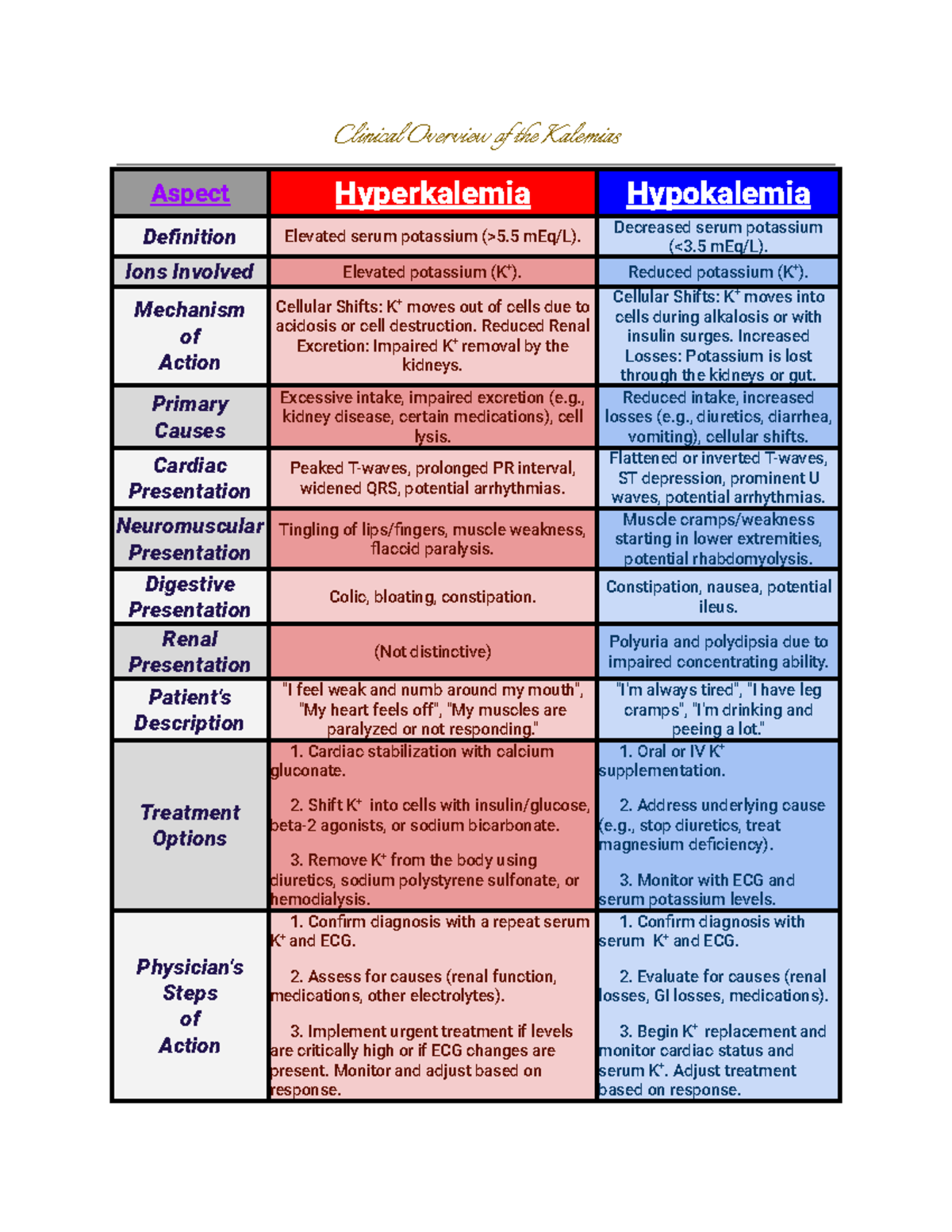
Hypokalemia System Disorder Template
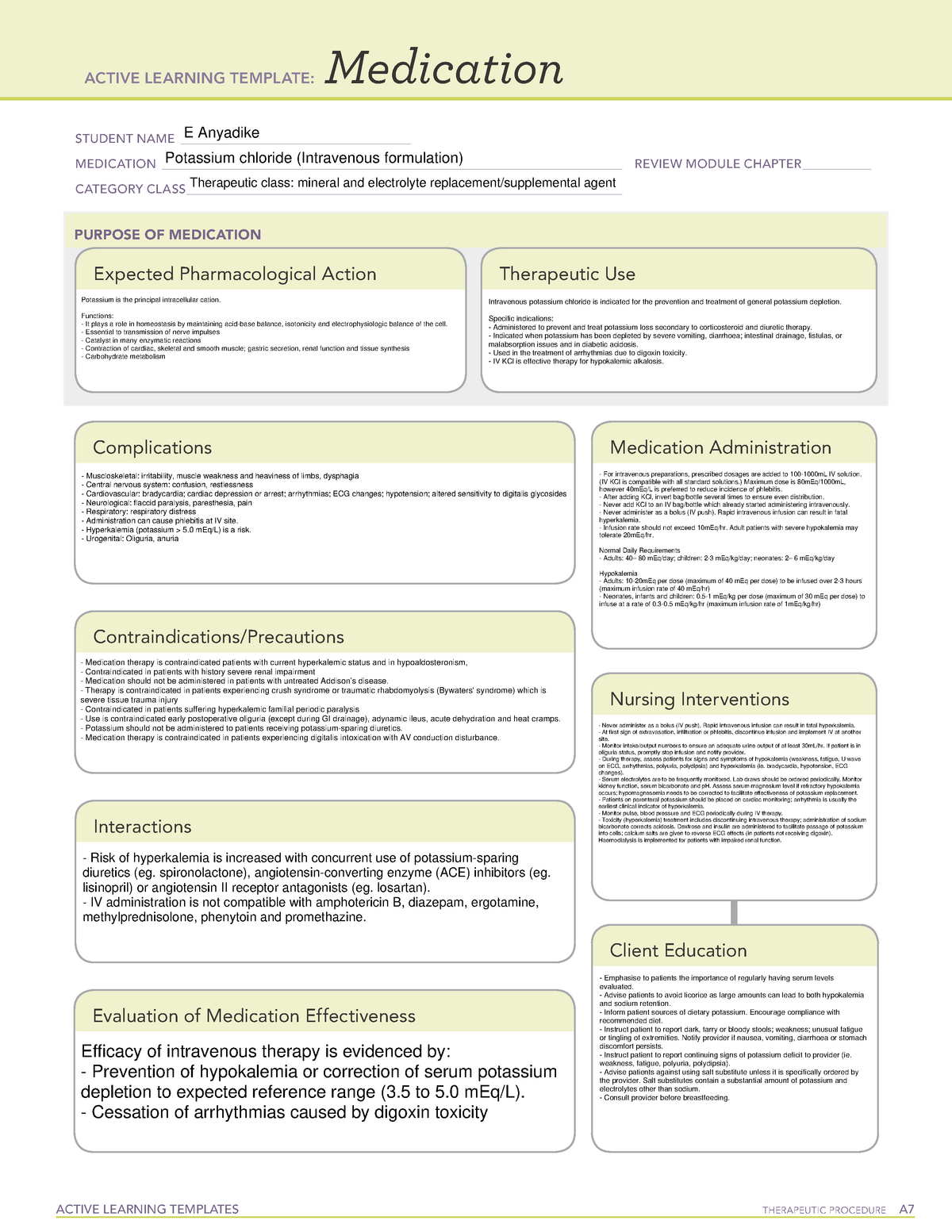
Hypokalemia System Disorder Template

Hypokalemia System Disorder Template

System Disorder Postpartum Hemorrhage Active Learning Templates Vrogue
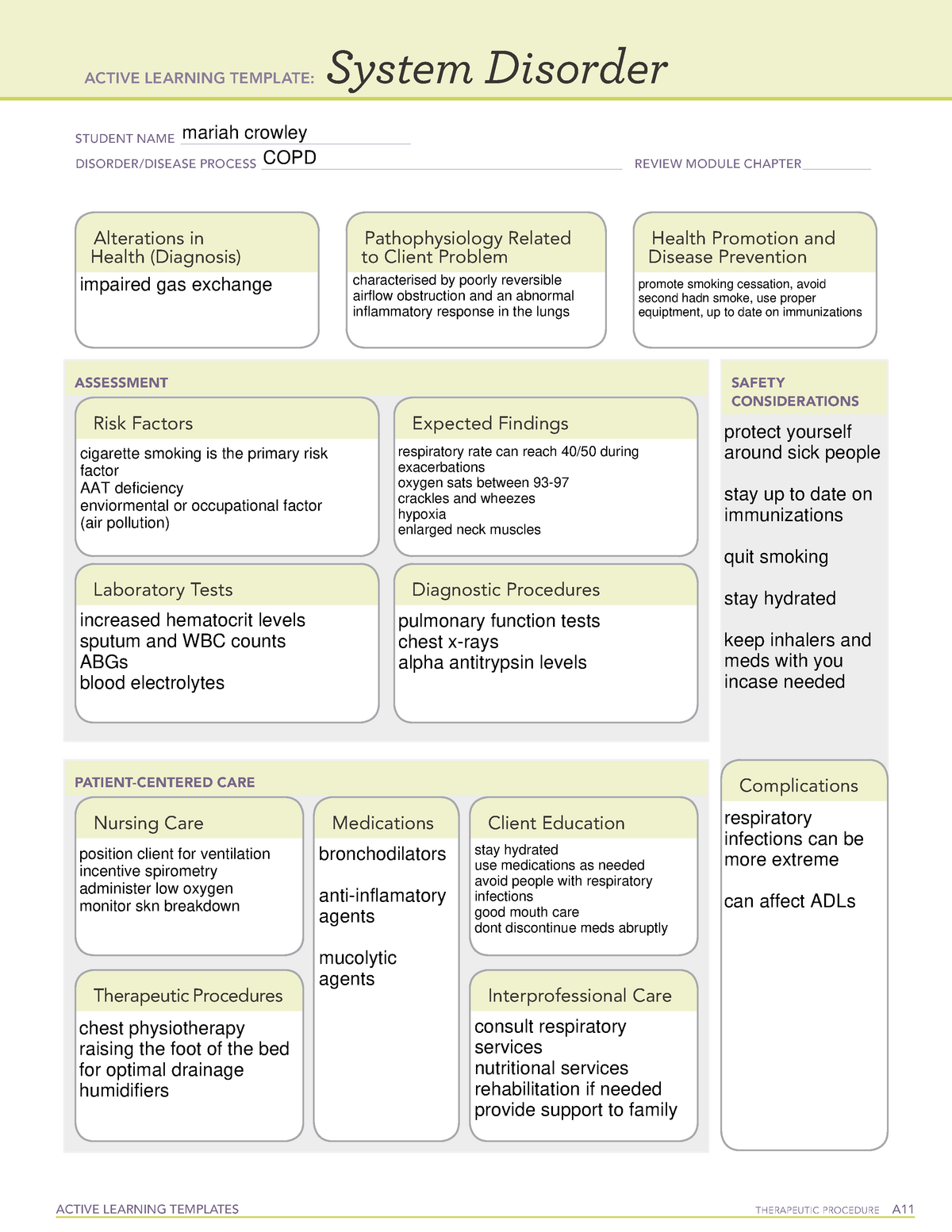
Hypokalemia System Disorder Template
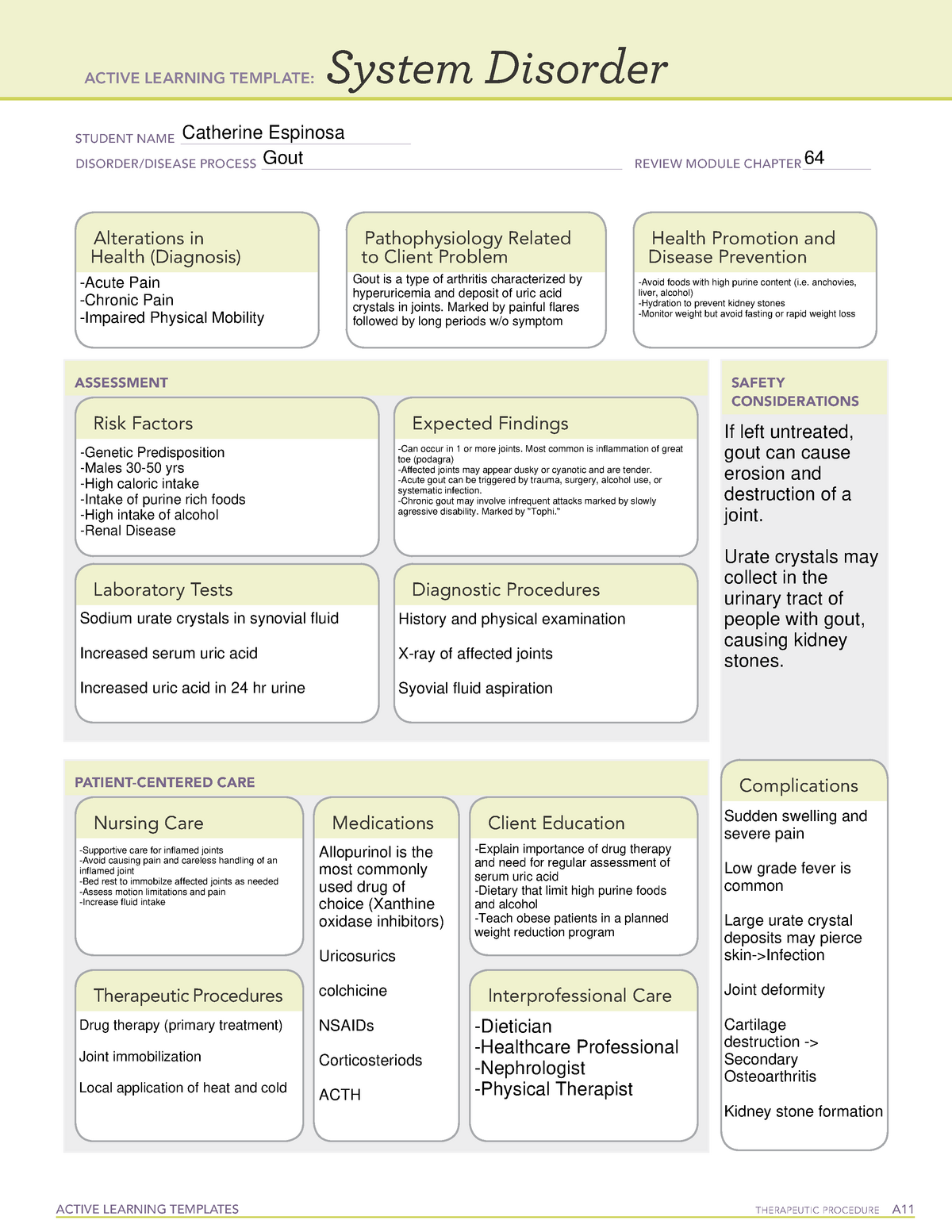
Hypokalemia System Disorder Template

Hypokalemia System Disorder Template
Hypokalemia System Disorder Template Printable Calendars AT A GLANCE

Hypokalemia Active Learning Template
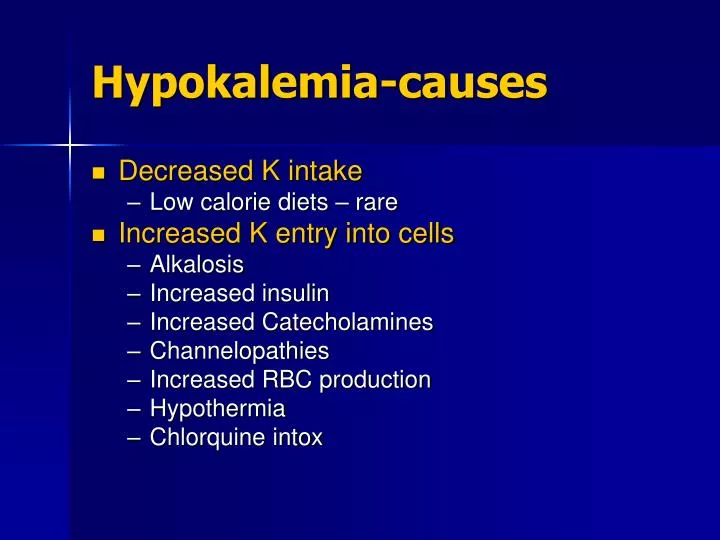
The condition can result from many different medical problems, including those affecting the kidney or gastrointestinal tract. (1) the definition and prevalence of hypokalemia, (2) the physiology of potassium homeostasis, (3) the various causes leading to hypokalemia, (4) the diagnostic steps for the assessment of hypokalemia and (5) the appropriate treatment of hypokalemia depending on the cause. This chapter provides causes, evaluation, clinical manifestations, and treatment of hypokalemia explicitly. On studocu you find all the lecture notes, summaries and study guides you need to pass your exams with better grades. View hypokalemia.pdf from nsg 3023 at south university, savannah. The most common cause is excess loss from the kidneys or gastrointestinal tract. Symptoms of hypokalemia vary depending on the severity and underlying cause but may include muscle weakness, fatigue, cramping, palpitations, and constipation. Increased loss of potassium from the body or movement of potassium into the cells resulting in a blood potassium less than 3 meq/l. Severe features of hypokalemia that require urgent treatment include a serum potassium. Inverted/flat t wave, st depression, elevated u wave. The aim of this review is to present updated information regarding: Hypokalemia is caused by decreased intake, renal losses, gastrointestinal losses, or transcellular shifts. Hypokalemia is serum potassium concentration < 3.5 meq/l (< 3.5 mmol/l) caused by a deficit in total body potassium stores or abnormal movement of potassium into cells. Details of hypokalemic and thyrotoxic periodic paralysis and hypokalemic hypertensive as well as normotensive disorders are also provided. System disorder nicole brown student name _ fluid volume deficits disorder/disease process _ review module.
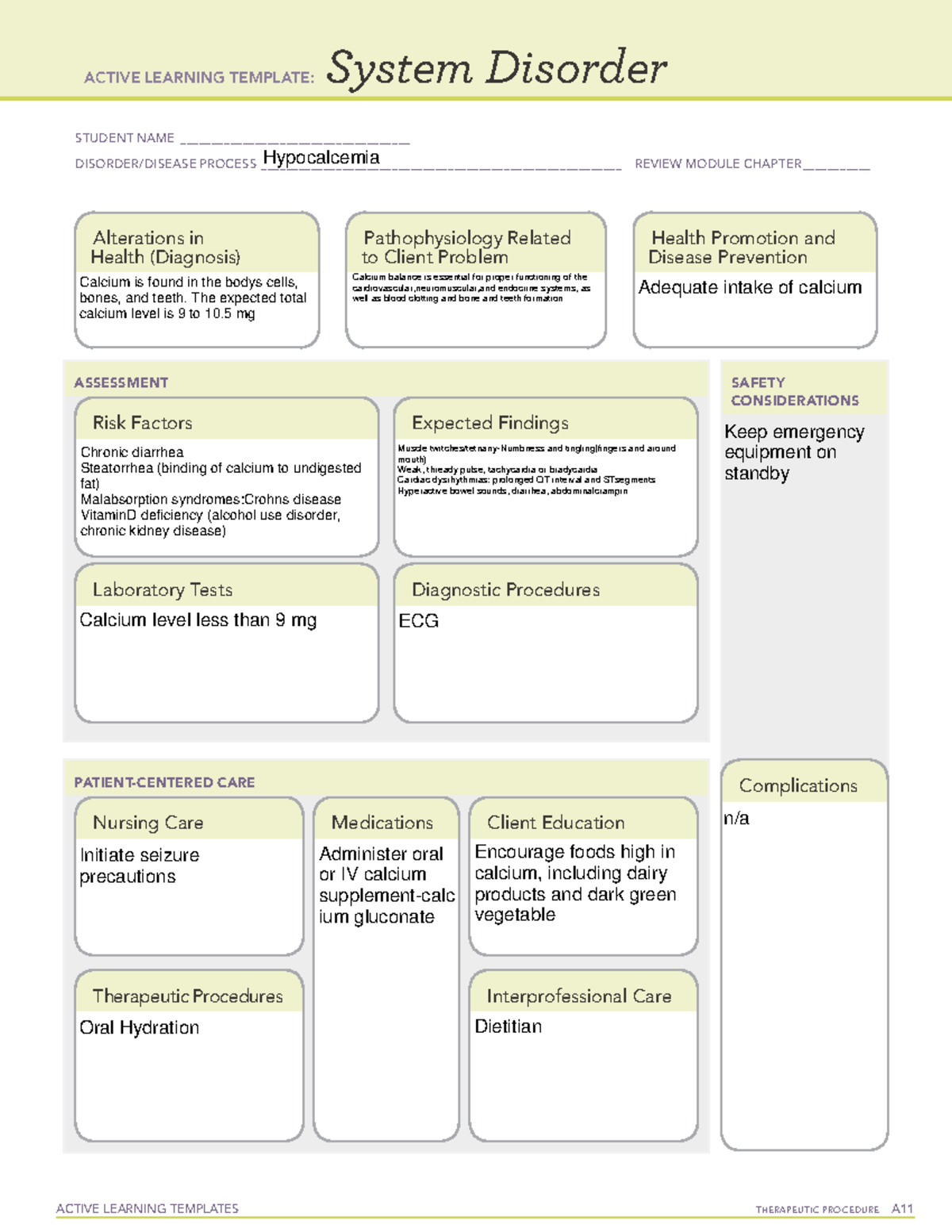
System Disorder Nicole Brown Student Name _ Fluid Volume Deficits Disorder/Disease Process _ Review Module.
Symptoms of hypokalemia include muscle cramps, weakness, fatigue, and more. Symptoms of hypokalemia vary depending on the severity and underlying cause but may include muscle weakness, fatigue, cramping, palpitations, and constipation. (1) the definition and prevalence of hypokalemia, (2) the physiology of potassium homeostasis, (3) the various causes leading to hypokalemia, (4) the diagnostic steps for the assessment of hypokalemia and (5) the appropriate treatment of hypokalemia depending on the cause. Blood potassium less than 3.
A Serum Potassium Level Of 2.5 To 3 Mmol/L Is Classified As Moderate.
Increased loss of potassium from the body or movement of potassium into the cells resulting in a blood potassium less than 3 meq/l. This chapter provides causes, evaluation, clinical manifestations, and treatment of hypokalemia explicitly. The condition can result from many different medical problems, including those affecting the kidney or gastrointestinal tract. On studocu you find all the lecture notes, summaries and study guides you need to pass your exams with better grades.
View Hypokalemia.pdf From Nsg 3023 At South University, Savannah.
Details of hypokalemic and thyrotoxic periodic paralysis and hypokalemic hypertensive as well as normotensive disorders are also provided. Serum potassium levels less than 2.5 mmol/l are classified as severe. Hypokalemia is serum potassium concentration < 3.5 meq/l (< 3.5 mmol/l) caused by a deficit in total body potassium stores or abnormal movement of potassium into cells. The most common cause is excess loss from the kidneys or gastrointestinal tract.
Inverted/Flat T Wave, St Depression, Elevated U Wave.
The aim of this review is to present updated information regarding: Severe features of hypokalemia that require urgent treatment include a serum potassium. Hypokalemia is caused by decreased intake, renal losses, gastrointestinal losses, or transcellular shifts.