
By the end of this post i'll show you that. Because you can't mix virtual. Im wondering if someone has ideas for ways to. By the end of this post i’ll show you that. Web this document describes a way to replace virtual methods with templates to be able to maintain an high abstraction without paying the hidden cost of virtual methods.
Im wondering if someone has ideas for ways to. As templates are resolved at compile time, virtual will not work, as the compiler would not know which template to. Web a member function template cannot be virtual, and a member function template in a derived class cannot override a virtual member function from the base class. Web this document describes a way to replace virtual methods with templates to be able to maintain an high abstraction without paying the hidden cost of virtual methods. You cannot have virtual template functions (which is essentially what you have since it takes a.
Web template virtual functions are not allowed in c++, no matter what. Web this document describes a way to replace virtual methods with templates to be able to maintain an high abstraction without paying the hidden cost of virtual methods. You cannot have virtual template functions (which is essentially what you have since it takes a. Template virtual void runtemplate() { /* do something. Well, there are at least two different kinds of polymorphism in.
Virtual Template Function
C++ Virtual Template Function

Virtual function in C++ Pure Virtual Function
Virtual Template Function
Virtual Template Function
Templates in C++ Simple Snippets

Virtual Template Function
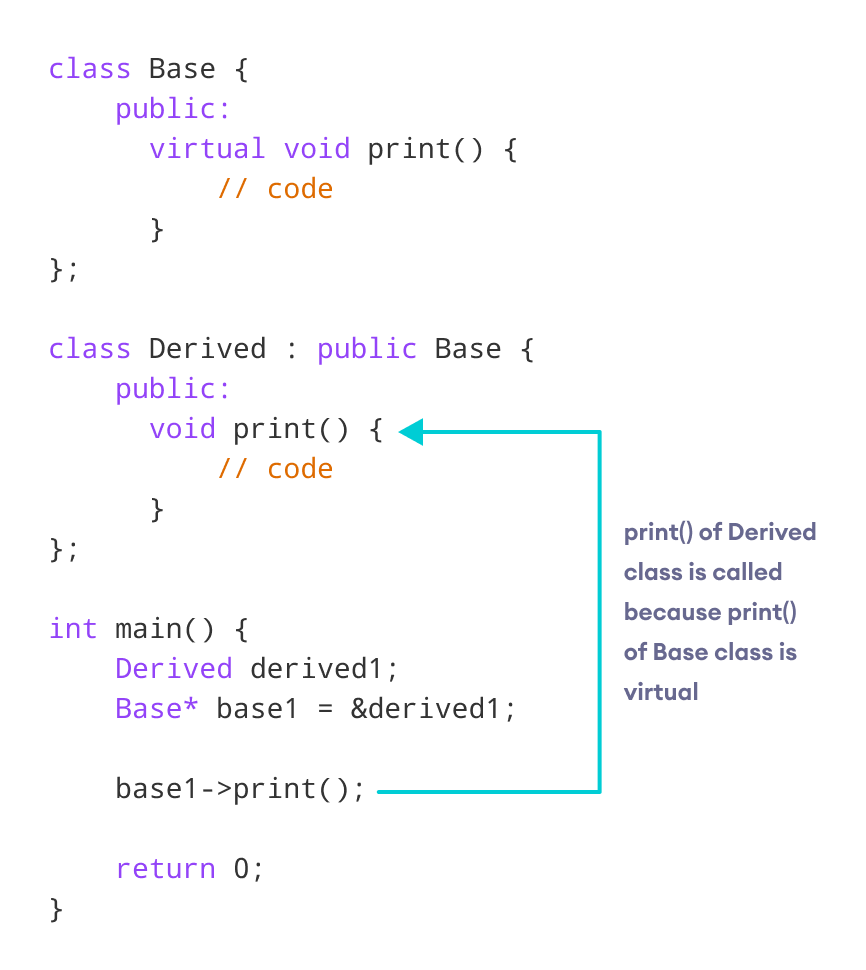
C++ Virtual Template Function
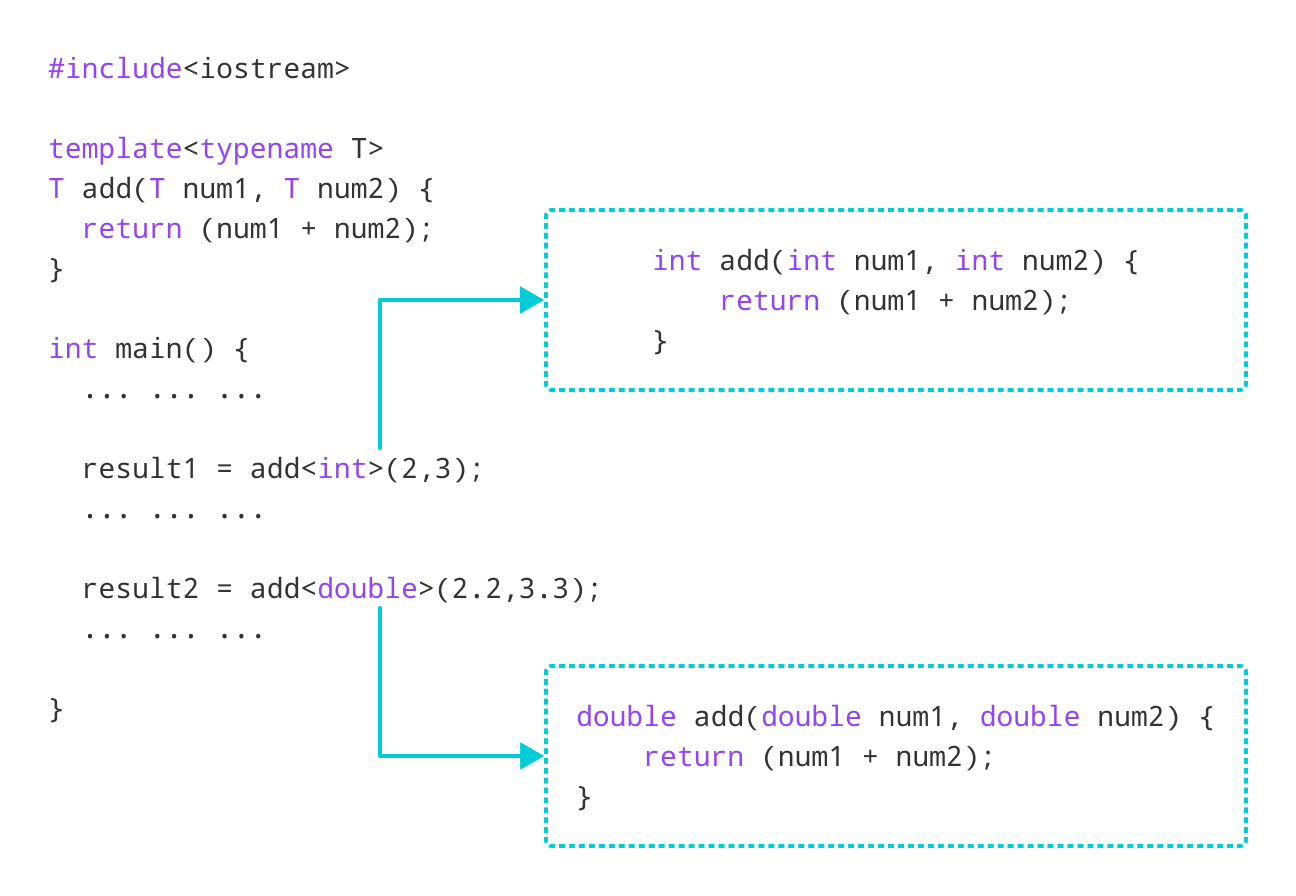
C++ Template Virtual Function

Virtual Template Function
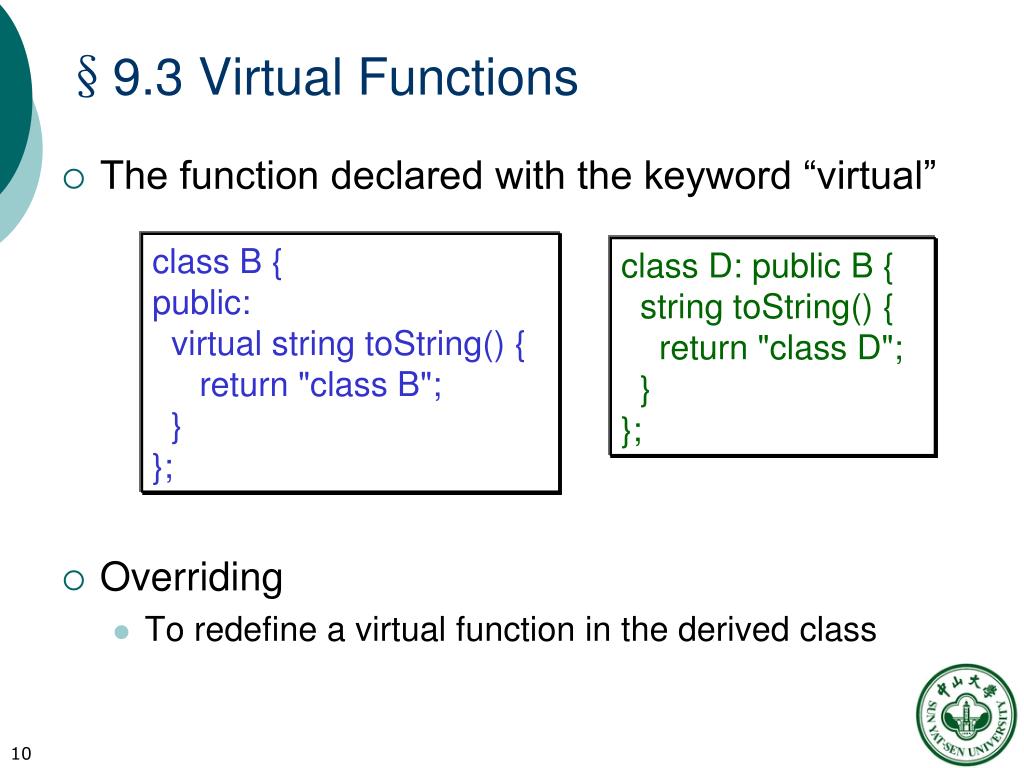
Two), the following fix is possible: Web the workaround uses a 'dead' argument, just to make a different signature. Well, there are at least two different kinds of polymorphism in. Because the template realization has very small cardinality (i.e. As templates are resolved at compile time, virtual will not work, as the compiler would not know which template to. By the end of this post i'll show you that. Web you will never be able to call fun() as a virtual method. I'm afraid this argument might cause overhead. Web first, you cannot have virtual template functions. You cannot have virtual template functions (which is essentially what you have since it takes a. Web in this post we're going to focus on achieving virtual function templates within the scope of a single source file. Web a member function template cannot be virtual, and a member function template in a derived class cannot override a virtual member function from the base class. Web templated virtual member functions are not supported in c++ but i have a scenario where it would be ideal. Web an abstract class is a class that either defines or inherits at least one function for which the final overrider is pure virtual. You have probably heard about polymorphism before.
Web In This Post We’re Going To Focus On Achieving Virtual Function Templates Within The Scope Of A Single Source File.
Web specializations of different function templates are always distinct from each other even if they have the same type. The following would be nice, but is not. By the end of this post i’ll show you that. Im wondering if someone has ideas for ways to.
Web Templated Virtual Member Functions Are Not Supported In C++ But I Have A Scenario Where It Would Be Ideal.
By the end of this post i'll show you that. Web you will never be able to call fun() as a virtual method. Template virtual void runtemplate() { /* do something. As templates are resolved at compile time, virtual will not work, as the compiler would not know which template to.
Web First, You Cannot Have Virtual Template Functions.
Web the workaround uses a 'dead' argument, just to make a different signature. Web a member function template cannot be virtual, and a member function template in a derived class cannot override a virtual member function from the base class. Because you can't mix virtual. Web template virtual functions are not allowed in c++, no matter what.
I'm Afraid This Argument Might Cause Overhead.
Two), the following fix is possible: You cannot have virtual template functions (which is essentially what you have since it takes a. Because the template realization has very small cardinality (i.e. Web c++, unlike c#, can't do it using normal tools like virtual methods, function templates, abstract classes, interfaces and inheritance.