
The var template variable allows you to access airflow variables. Syntactically, variables inserted at runtime are denoted in your code with double curly braces. Short answer, ds and macros variables can only be accessed through template as they only exists during execution and not during python code parsing (when the dag is loaded by airflow). The var template variable allows you to access variables defined in airflow’s ui. Airflow template variables are a powerful feature that allows dynamic parameterization of tasks within dags.
Accessing airflow variables and connections. This operator supports passing template variables as data fields, which can be incredibly helpful for dynamic inputs. I would like to be able to pass that list via a. To use them, just import and call get on the variable model: You can use jinja templating with every parameter that is marked as “templated” in the documentation.
It makes sense that specific parameters in the airflow world (such as certain parameters to pythonoperator) get templated by airflow automatically. The var template variable allows you to access airflow variables. The var template variable allows you to access variables defined in airflow’s ui. The ds_add macro simply adds one day to. According to the official docs if you want to use jinja to fetch a variable and provide a default value, the syntax is:
How to use Airflow templates and macros marclamberti
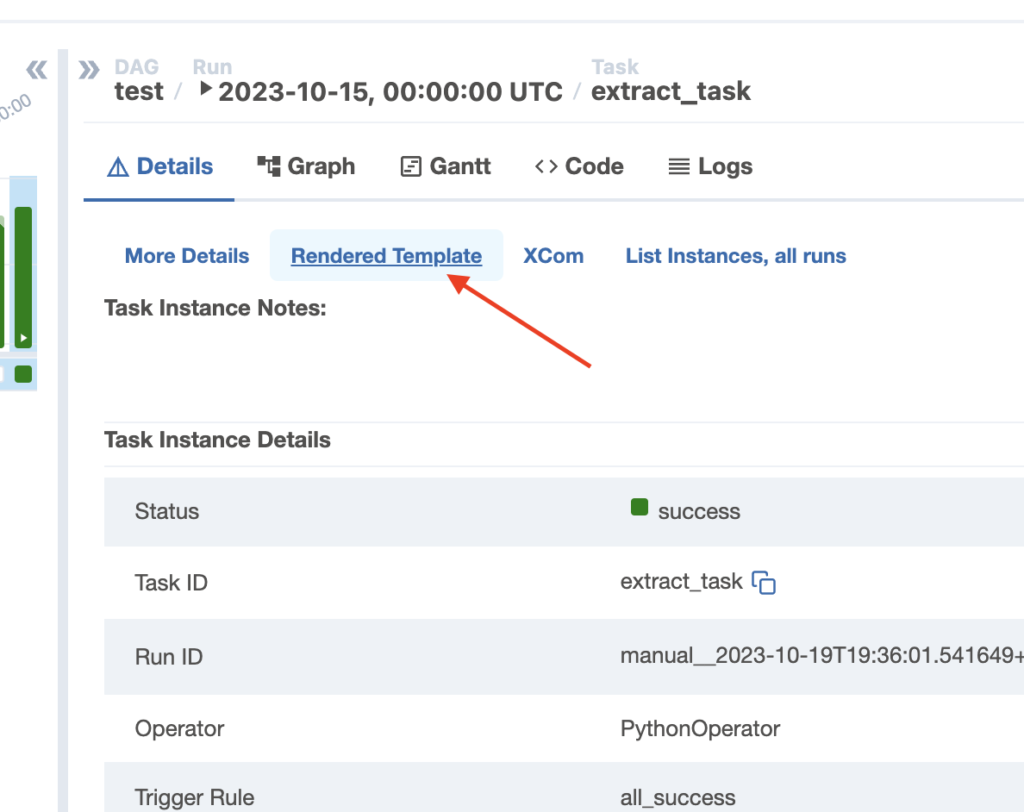
How to use Airflow templates and macros marclamberti
Airflow Logic Pro X Template

Apache Airflow Concepts with DAG Scheduling and Variables
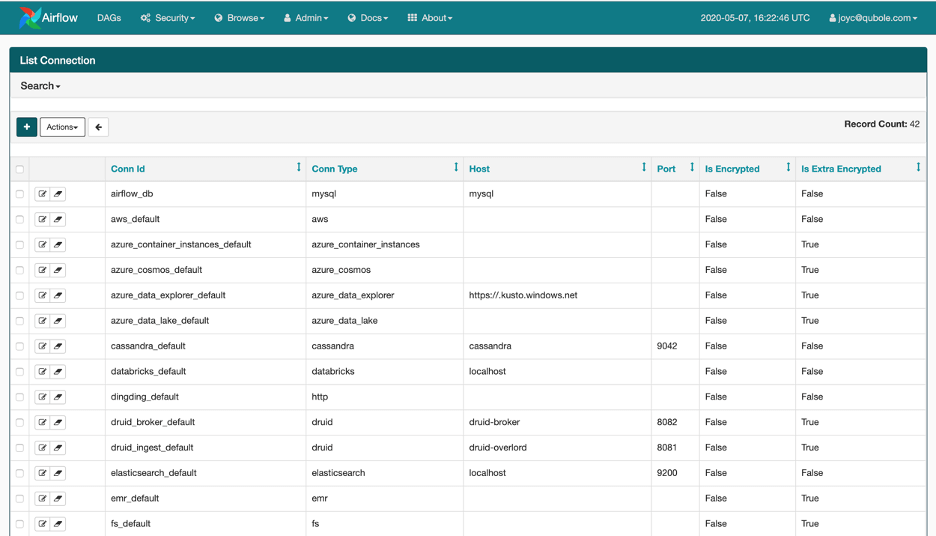
GitHub SunWPS/airflow_template Airflow 2.1 docker template.
Airflow Template Macros [UPD]
![Airflow Template Macros [UPD]](https://assets.kit.co/kits/2a/76/airflow-template-macros-upd-2a76add9a9baef71f90ed3b4bac6ce75.jpg)
Airflow Variables The Ultimate Guide marclamberti
Airflow tutorial 7 Airflow variables YouTube

How to use Airflow templates and macros marclamberti
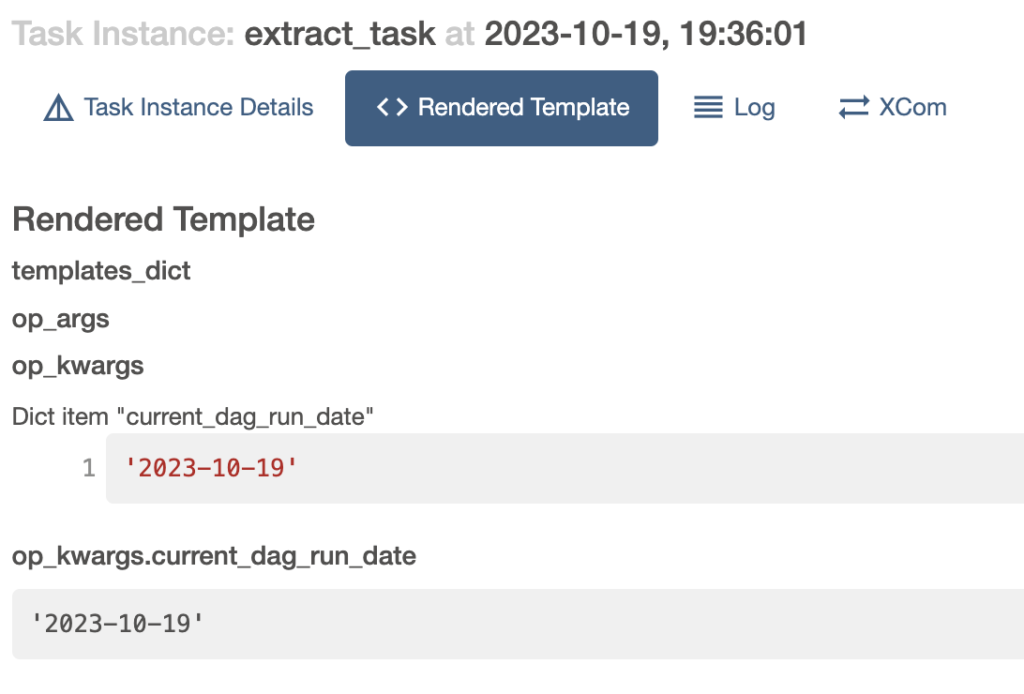
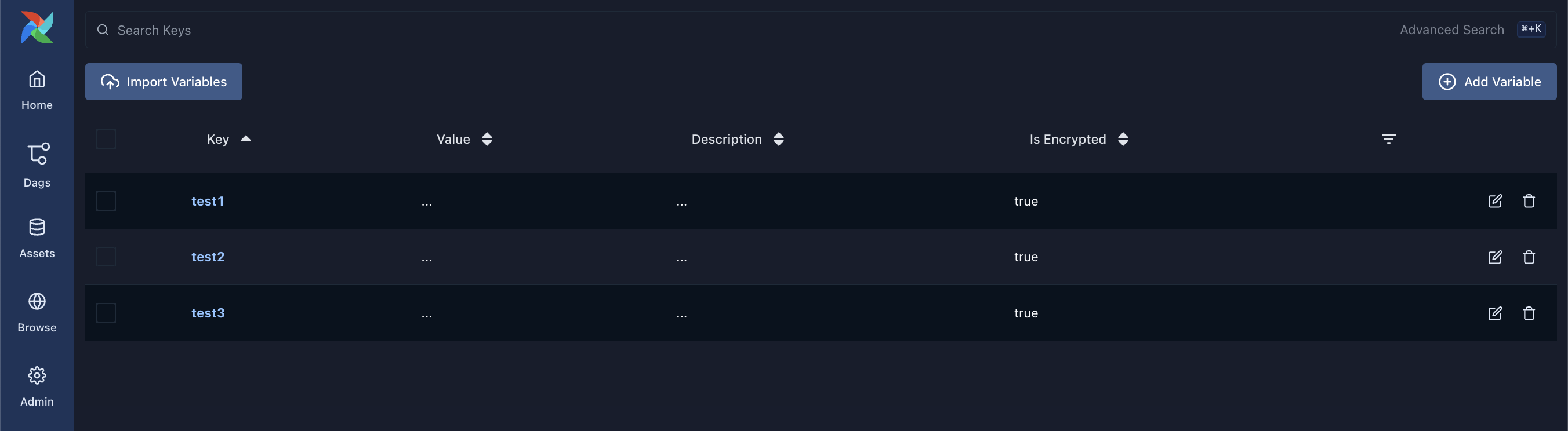
Managing Variables — Airflow Documentation
Short answer, ds and macros variables can only be accessed through template as they only exists during execution and not during python code parsing (when the dag is loaded by airflow). In apache airflow, the grpc_operator.grpcoperator is a useful tool for making grpc calls within your directed acyclic graphs (dags). These variables leverage the jinja templating engine, enabling the injection of code, variables, or file paths into airflow tasks at runtime. For example, if i have (trivial function just to illustrate my point) def get_day(datetime_object): Accessing airflow variables and connections. Here is where we can find the current and deprecated airflow template variables. There are many potential causes for a task’s state to be changed by a component other than the executor, which might cause some confusion when reviewing task instance or scheduler logs. My_variable = variable.get(my_key) leveraging templating with jinja. The ds_add macro simply adds one day to. Var.value.get('my.var', 'fallback') but in running that on version 1.10.6,. If you use json, you are also able to walk nested structures, such as dictionaries like: This operator supports passing template variables as data fields, which can be incredibly helpful for dynamic inputs. S3_bucket = '{{ var.value.bucket_name }}'. Syntactically, variables inserted at runtime are denoted in your code with double curly braces. This field takes a list of python packages that may need to be installed to run the code in the task.
Airflow Provides A Convenient Way To Inject These Into The Jinja Environment.
Variables are a generic way to store and retrieve arbitrary content or settings as a simple key value store within airflow. There are many potential causes for a task’s state to be changed by a component other than the executor, which might cause some confusion when reviewing task instance or scheduler logs. S3_bucket = '{{ var.value.bucket_name }}'. The ds_add macro simply adds one day to.
I Know That You Can Pass Templated Variables As String Into Operators, But I'd Like To Pass Them Around As Their Actual Type.
Here are some of the most commonly used: These variables leverage the jinja templating engine, enabling the injection of code, variables, or file paths into airflow tasks at runtime. Var.value.get('my.var', 'fallback') but in running that on version 1.10.6,. My_variable = variable.get(my_key) leveraging templating with jinja.
Airflow Includes Many Variables That Can Be Used To Create Templates.
If you use json, you are also able to walk nested structures, such as dictionaries like: S3_bucket = variable.get('bucket_name') it works but i'm being asked to not use the variable module and use jinja templating instead (i.e.): To use them, just import and call get on the variable model: Here's how to set a variable using the command line:
Here Is Where We Can Find The Current And Deprecated Airflow Template Variables.
I would like to be able to pass that list via a. I'm currently accessing an airflow variable as follows: Accessing airflow variables and connections. This field takes a list of python packages that may need to be installed to run the code in the task.